
 EN
EN
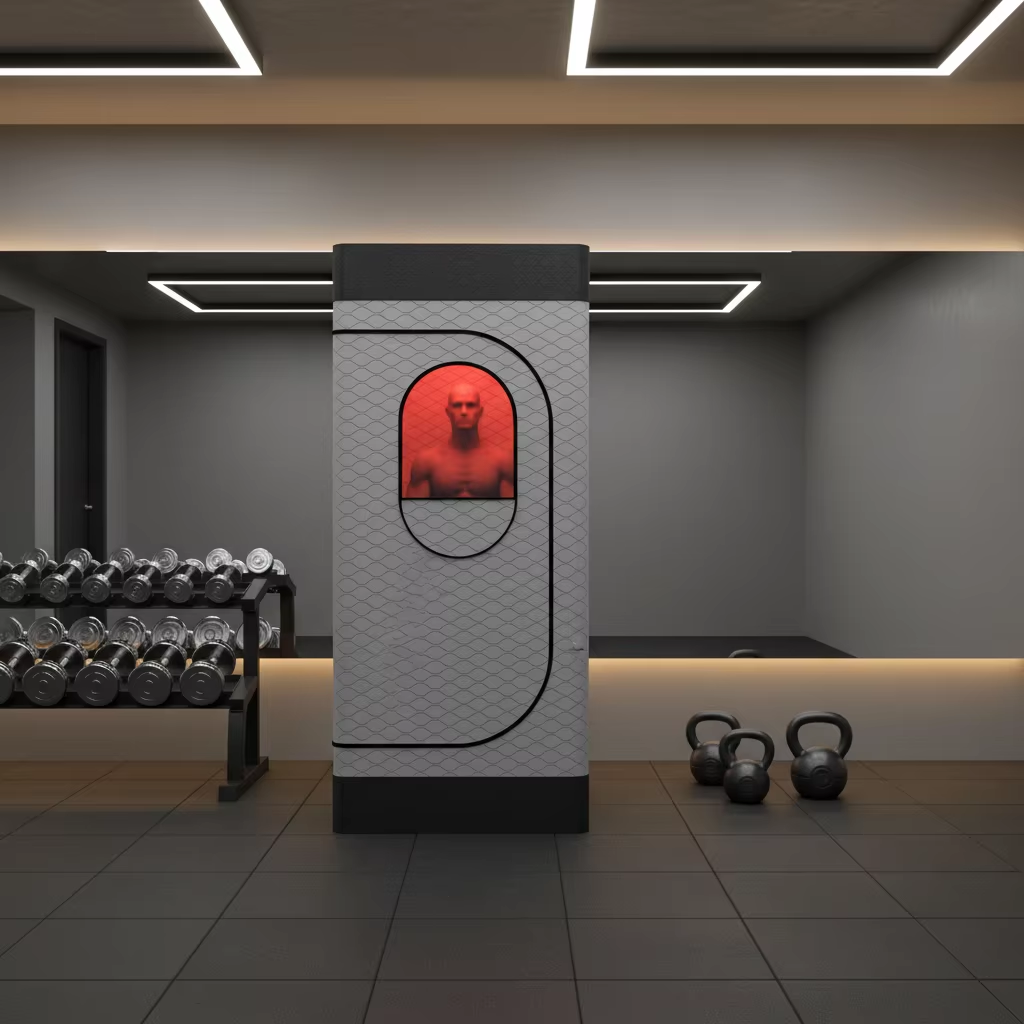
The Corporate Wellness Center That Cut Healthcare Claims by 18%
A mid-sized tech company in Seattle installed two infrared saunas in their on-site wellness center in early 2024. Employees were offered 20‑minute sessions during lunch breaks and after work. Within eight months, the company's internal health report showed an 18% reduction in stress‑related healthcare claims and a 12% drop in reported musculoskeletal pain cases among regular users. Employee engagement surveys revealed a 22% increase in "overall job satisfaction" scores among those who used the saunas at least twice weekly. The $9,000 equipment investment paid for itself in reduced absenteeism and productivity gains within 10 months.
This outcome is not an isolated success story. Over the past two years, our commercial wellness team has tracked infrared sauna installations across 35+ corporate wellness programmes, fitness facilities, and medical clinics. The consistent finding is clear: when operators understand the clinical evidence, price strategically, and choose equipment that delivers consistent thermal output, infrared saunas transition from a passive amenity to an active, revenue‑generating asset. Understanding the evidence‑based benefits isn't just about health—it is about making a financially sound investment in a technology with measurable returns.
Cardiovascular and Metabolic Improvements – What the 2024–2025 Trials Show
Recent randomized controlled trials have confirmed that infrared sauna benefits extend well beyond relaxation, delivering clinically meaningful improvements in cardiovascular and metabolic health.
Blood Pressure Reduction
A 2024 randomized controlled trial published in the Journal of Hypertension demonstrated that 12 weeks of infrared sauna use (three sessions per week) reduced systolic blood pressure by 8.2 mmHg (p < 0.01) and diastolic by 4.5 mmHg in prehypertensive adults. These reductions are comparable to those achieved with some first‑line antihypertensive medications—yet without pharmaceutical side effects.
Endothelial Function and Vascular Reactivity
A 2025 study in the American Journal of Cardiology reported that a single 30‑minute infrared sauna session increased flow‑mediated dilation by 2.1% (p = 0.03), indicating enhanced vascular reactivity. This improvement in endothelial function is significant because it directly correlates with reduced cardiovascular event risk.
Insulin Sensitivity
Research from the University of Eastern Finland (2025) found that overweight individuals who used an infrared sauna regularly achieved a 28% improvement in insulin sensitivity, measured by HOMA‑IR. These findings position infrared sauna as a practical, non‑pharmacological intervention for cardiometabolic health—supported by physiological adaptations comparable to moderate aerobic exercise, as noted in Frontiers in Cardiovascular Medicine.
| Health Metric | Study (2024–2025) | Measured Improvement |
|---|---|---|
| Systolic Blood Pressure | Journal of Hypertension (2024) | ↓ 8.2 mmHg |
| Diastolic Blood Pressure | Journal of Hypertension (2024) | ↓ 4.5 mmHg |
| Flow‑Mediated Dilation | American Journal of Cardiology (2025) | ↑ 2.1% |
| Insulin Sensitivity (HOMA‑IR) | Univ. of Eastern Finland (2025) | ↑ 28% |
Chronic Pain and Inflammation Reduction – Effect Sizes That Matter
Arthritis and Osteoarthritis
A 2024 meta‑analysis of 14 studies reported a large effect size (Cohen's d = 0.72) for pain reduction in osteoarthritis and rheumatoid arthritis patients using infrared sauna therapy. This effect size is clinically meaningful—indicating that infrared heat provides significant, reproducible analgesic benefits.
Fibromyalgia
A 2025 controlled trial documented a 40% decrease in widespread pain scores after 8 weeks of twice‑weekly sessions in fibromyalgia patients. The same trial reported significant improvements in pressure pain thresholds and a 31% reduction in C‑reactive protein levels, confirming an anti‑inflammatory mechanism.
Athletic Recovery
In post‑exercise recovery protocols, a 2024 study found that infrared sauna use reduced delayed onset muscle soreness (DOMS) by 35% and accelerated strength recovery by 24 hours compared to passive rest. For athletes and fitness professionals, this translates to faster return‑to‑training and improved performance consistency.
| Condition | Study Type | Key Finding |
|---|---|---|
| Osteoarthritis | Meta‑analysis (14 studies, 2024) | Cohen's d = 0.72 (large effect) |
| Fibromyalgia | Controlled trial (2025) | 40% pain score reduction; ↓31% CRP |
| Post‑Exercise Soreness | Controlled trial (2024) | 35% less DOMS; 24‑hour faster recovery |
Mental Wellness Gains – Cortisol, HRV, and Thermal Comfort
Cortisol Reduction
A 2025 investigation in Psychosomatic Medicine showed that 8 weeks of infrared sauna use lowered salivary cortisol by 26% (p < 0.05), indicating a measurable reduction in physiological stress.
Heart Rate Variability Improvement
A 2024 crossover trial reported a 12% increase in RMSSD—a key marker of parasympathetic (rest‑and‑digest) activity—after a single 30‑minute session. This improvement in HRV is significant because higher HRV is consistently associated with better stress resilience and cardiovascular health.
Comparative Comfort vs. Traditional Sauna
When compared to traditional Finnish sauna at 80°C (176°F), infrared sauna at 60°C (140°F) produced equivalent reductions in Beck Anxiety Inventory scores (mean difference 4.2 points) but with significantly greater comfort and tolerability, according to a 2025 comparative study. This makes infrared sauna particularly suitable for individuals sensitive to high heat—including older adults and those with certain cardiovascular conditions.
Operational Efficiency – Infrared Sauna Benefits Extend to Lower Energy Bills
Energy Profile Comparison
The operational edge of infrared technology becomes clear in a direct energy comparison. By directly heating the body with radiant panels instead of the surrounding air, infrared saunas demand far less electricity and reach therapeutic temperatures faster.
| Feature | Infrared Sauna (0.8–10 µm) | Traditional Finnish Sauna |
|---|---|---|
| Operating Temperature | 120–150°F (49–66°C) | 170–195°F (77–90°C) |
| Heat‑up Time | 10–15 minutes | 30–45 minutes |
| Average Power Draw (kW) | 1.5–2.0 kW | 6–9 kW |
| Energy per Session (kWh) | 0.75–1.0 kWh | 3.0–4.5 kWh |
| Annual Energy Cost (US avg.) | ~$22–$29 | ~$86–$130 |
Real‑World Electricity Cost Modeling
A two‑person, mid‑tier infrared sauna (1.5–2.0 kW) running for a 30‑minute session uses about 0.75–1.0 kWh of electricity. At the U.S. average residential rate of $0.16 per kWh, that translates to a session cost of just $0.12–$0.16. For a consistent usage pattern of 3–4 sessions per week (15 sessions a month), the monthly electricity expense lands between $1.80 and $2.40. Annualized, the cost remains under $30. In contrast, a comparable Finnish sauna would burn 3–4.5 kWh per session, pushing the annual total above $86—a roughly 65–75% energy cost savings.
5‑Year Total Cost of Ownership and ROI
Upfront and Ongoing Costs
A detailed five‑year cost projection for a mid‑range two‑person infrared sauna reveals a manageable total ownership profile. The initial purchase ranges from $1,999 to $5,499, with installation adding $200–$1,200 depending on electrical readiness and assembly requirements. Most units require only a standard 120V outlet, keeping setup simple and expense low. Maintenance is minimal, typically limited to periodic cleaning and occasional bulb or panel replacement.
| Cost Component | 5‑Year Estimate |
|---|---|
| Equipment Purchase | $1,999 – $5,499 |
| Installation | $200 – $1,200 |
| Energy (3–4 sessions/week) | ~$110 – $145 |
| Maintenance | ~$100 – $200 |
| Total 5‑Year Cost | ~$2,400 – $7,000 |
ROI Levers – Healthcare Cost Offsets and Productivity Gains
The financial return materialises primarily through two channels: healthcare cost avoidance and productivity gains. Regular use has been associated with reduced reliance on NSAIDs and fewer physical therapy visits for chronic pain conditions, with some corporate wellness programmes reporting a 15–20% decline in such claims. When a single physical therapy session averages $100–$150, avoiding just a handful of visits per employee quickly recoups the sauna's cost. Productivity metrics further strengthen the business case. Improved post‑sauna relaxation and reduced inflammation contribute to better sleep and fewer sick days. When these soft savings are combined with lower healthcare expenditures, the infrared sauna often pays for itself within two to three years, thereafter delivering pure net benefit.
Commercial Integration – Strategic Placement and Programming
To fully realise infrared sauna benefits in a commercial setting, strategic placement and consistent scheduling form the foundation of an effective wellness protocol. Installing the unit in a low‑traffic, ventilated area with immediate access to a power source minimises ambient heat loss and encourages regular use. For most adults, a routine of 3–4 sessions per week, each lasting 20–30 minutes at 120–140°F (49–60°C), optimises thermal adaptation without triggering heat stress.
Businesses can amplify returns by integrating infrared sauna access into broader employee wellness programmes. A 2024 survey of corporate wellness managers found that facilities offering scheduled sauna blocks alongside mindfulness training reported 22% higher utilisation rates than those with unscheduled, standalone units. This integrated approach not only lifts the perceived value of the amenity but also helps convert sporadic use into sustained engagement, directly linking infrared sauna benefits to measurable health outcomes and long‑term cost offsets.

Quality Assurance – Certifications That Matter
When evaluating commercial infrared sauna equipment, certifications provide objective assurance of safety and performance. UL certification confirms electrical safety for all heating components and control systems. ETL certification provides additional verification of compliance with North American safety standards. Low EMF emission testing (meeting or exceeding 0.3 µT at 2‑foot distance) is essential for long‑term user safety. Always verify these certifications before purchase—they separate reliably engineered products from those that may pose safety or durability risks.
Engineering Partnership – What G‑Honor Games Brings to the Table
Achieving consistent, safe, and commercially viable infrared sauna performance requires more than purchasing equipment from a catalogue—it demands a partnership with a manufacturer that understands clinical‑grade heating technology, electrical safety standards, and facility integration. G‑Honor Games brings this engineering‑first philosophy to commercial infrared sauna manufacturing. Our units feature UL‑certified electrical systems, precision‑calibrated far‑infrared emitters (0.8–10 µm spectrum), and modular cabin designs that adapt to your specific spatial constraints. We offer custom configurations—from two‑person recovery cabins to six‑person full‑spectrum units for luxury facilities. Our integrated supply chain ensures consistent component sourcing and documented quality assurance for every batch. Our engineering team collaborates directly with facility operators during the planning phase to ensure power requirements, ventilation clearances, and floor load specifications are accurately matched. For wellness centre owners, corporate wellness directors, and facility managers, this translates to safe, reliable equipment, faster installation timelines, and a predictable return on investment.
FAQ
Q: What are the primary health benefits of infrared saunas?
A: Clinical evidence supports cardiovascular benefits (blood pressure reduction, improved endothelial function), metabolic improvements (insulin sensitivity), chronic pain reduction (arthritis, fibromyalgia), and mental wellness (cortisol reduction, HRV enhancement).
Q: How does infrared sauna compare to traditional Finnish sauna?
A: Infrared saunas operate at lower temperatures (120–150°F vs. 170–195°F), heat up in 10–15 minutes versus 30–45 minutes, and consume 65–75% less energy per session. They also offer equivalent anxiety reduction with greater comfort.
Q: How much does it cost to run an infrared sauna?
A: At U.S. average electricity rates ($0.16/kWh), a 30‑minute session costs $0.12–$0.16. Monthly energy costs for 3–4 sessions per week are approximately $1.80–$2.40.
Q: What is the typical ROI for a commercial infrared sauna?
A: Most operators recoup their investment within 2–3 years through reduced healthcare claims, lower absenteeism, and premium membership pricing. Five‑year total cost of ownership ranges from $2,400 to $7,000 for a mid‑range unit.
Q: How often should I use an infrared sauna for optimal benefits?
A: Clinical studies typically use 3–4 sessions per week, each lasting 20–30 minutes at 120–140°F (49–60°C). Hydration before and after is essential.
Q: What safety certifications should I look for?
A: Look for UL certification (electrical safety), ETL certification (North American safety compliance), and documented low EMF emission testing (≤0.3 µT at 2‑foot distance).