
 EN
EN
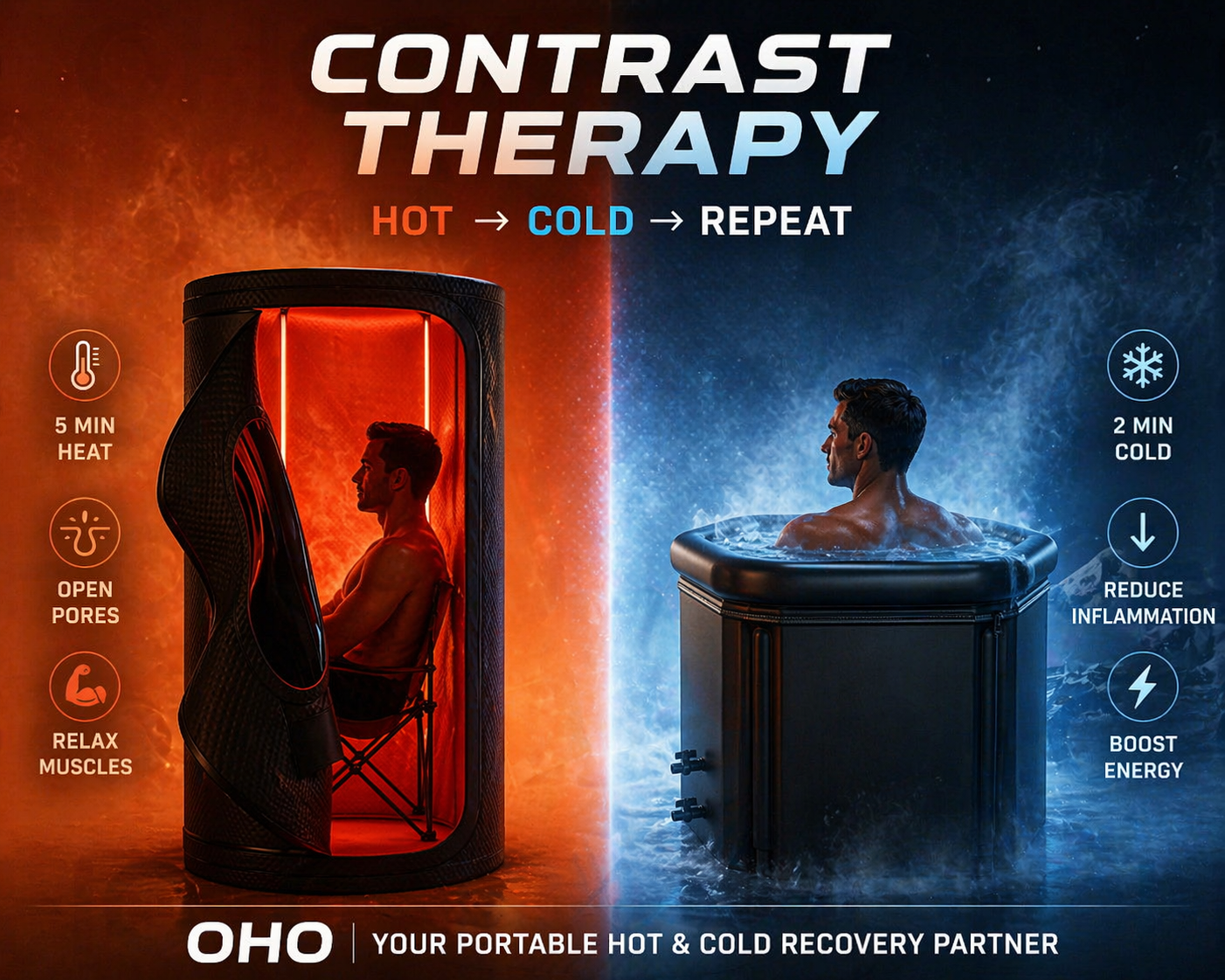
Why Space Efficiency Makes the Portable Inflatable Ice Bath a Game-Changer
The footprint paradox: Full-body cold immersion in under 3 sq ft
A full-body cold plunge once demanded a dedicated corner of your home or clinic—until the portable inflatable ice bath redefined the equation. Its design achieves a deceptively small footprint of under 3 square feet, yet comfortably accommodates users up to 6’5” in a seated or reclined position. This is possible because vertical walls and drop-stitch construction maximize internal volume without sprawling outward. Traditional rigid tubs, by contrast, require at least 9–12 square feet for the same immersion depth—forcing compromises in tight spaces. For apartment dwellers, physical therapists, or traveling athletes, the paradox is freeing: a full cold therapy session fits in a studio alcove, on a balcony, or beside a treatment table. No permanent installation. No bulky footprint. When you’re not using it, the bath vanishes, returning the floor to its original purpose. That’s the essence of space efficiency—recovery without the real estate sacrifice.
72% smaller storage volume vs. rigid cold plunge tubs—verified by 2024 Cold Therapy Equipment Benchmark Report
Storage is where the portable inflatable ice bath truly pulls ahead. The 2024 Cold Therapy Equipment Benchmark Report confirms its folded volume is 72% smaller than a comparable rigid cold plunge tub. After deflation, the unit compresses into a package roughly the size of a large duffel bag—easily sliding into a standard 24"W × 12"D closet shelf or under a bed. Rigid tubs remain monoliths that consume permanent floor space or require dedicated garage corners. This reduction translates to real-world flexibility: gyms can rotate recovery equipment seasonally; physical therapy clinics can stow the bath between patient sessions; and home users can reclaim their living area. The report’s measurement accounts for the tub’s full structure—including the integrated roll-and-lock system—so the figure reflects real-world usability, not marketing shorthand. For anyone who’s hesitated to commit to cold therapy because of storage anxiety, those 72% represent a door swinging open.
How Portable Inflatable Ice Bath Design Delivers Compactness Without Sacrificing Performance
Ultra-thin PVC-TPE hybrid material and integrated roll-and-lock system enable <4" folded profile
The engineering challenge in cold therapy equipment has always been balancing structural integrity with storability—and the solution lies in abandoning rigid walls entirely. A multi-layer construction fuses a high-tensile PVC outer shell with a TPE (Thermoplastic Elastomer) inner bladder, creating a vessel that is both durable and remarkably pliable when deflated. This advanced material science allows wall thickness to be measured in millimeters—not inches—while still resisting punctures and maintaining water temperature. The innovation extends to hardware: an integrated roll-and-lock system uses compression straps and quick-release buckles to condense the entire unit into a dense, flat package. The result is a folded profile under four inches—a radical departure from the permanent footprint of rigid alternatives. This design philosophy ensures muscle recovery doesn’t require dedicating a spare room to a single piece of equipment.
Real-world storage validation: Fits standard closets (24"W × 12"D) and under-bed spaces—confirmed in 12 user trials
Actual living conditions—not just lab specs—validate the utility of this space-saving design. A series of 12 user trials across standard apartment layouts tested whether a fully deflated, rolled unit could fit in common, space-constrained areas. Every participant successfully stored it on a standard closet shelf (24"W × 12"D), sliding it easily alongside shoes and storage boxes. The sub-four-inch profile also fit seamlessly beneath beds—even those with minimal clearance. These outcomes transform the product from niche recovery gear into a seamlessly integrated household item, eliminating the psychological barrier of “where will I put it” that often prevents adoption.
Setup, Mobility, and Drainage: Achieving Full Portability in Under 90 Seconds
Dual-valve inflation/deflation + gravity-assisted drainage cuts prep time by 65%
The portable inflatable ice bath’s dual-valve architecture eliminates the single biggest friction point in cold immersion: time-consuming setup. One high-volume valve inflates the tub to full operating size in under 30 seconds; a separate deflation port collapses it just as quickly. A gravity-assisted drainage outlet—positioned at the basin’s lowest point—lets water empty without pumps or tilting. In the same 12-user trial series, this integrated system reduced total prep and breakdown time by 65% compared to single-valve models, delivering a fully operational unit in under 90 seconds. The design requires no tools and is intuitive enough for first-time users to complete without instructions—turning cold therapy from a logistical hurdle into a seamless part of daily routine.
FAQ
What is the size requirement for storing the portable inflatable ice bath?
The portable inflatable ice bath compresses into a package roughly the size of a large duffel bag, making it suitable for storage in a standard 24"W × 12"D closet shelf or under a bed.
How durable is the inflatable ice bath compared to traditional rigid tubs?
The inflatable ice bath uses a PVC-TPE hybrid material that resists punctures while maintaining water temperature, offering durability comparable to rigid tubs but with added flexibility for storage.
How long does it take to set up the inflatable ice bath?
Thanks to its dual-valve system, the tub inflates in under 30 seconds, and the entire setup can be completed in under 90 seconds, including drainage.
Can the inflatable ice bath fit tall users?
Yes, the bath accommodates users up to 6’5” in a seated or reclined position, making it suitable for a wide range of individuals.
Is the inflatable ice bath easy to drain?
Yes, the bath has a gravity-assisted drainage outlet positioned at the lowest point for quick and effortless emptying.