
 EN
EN
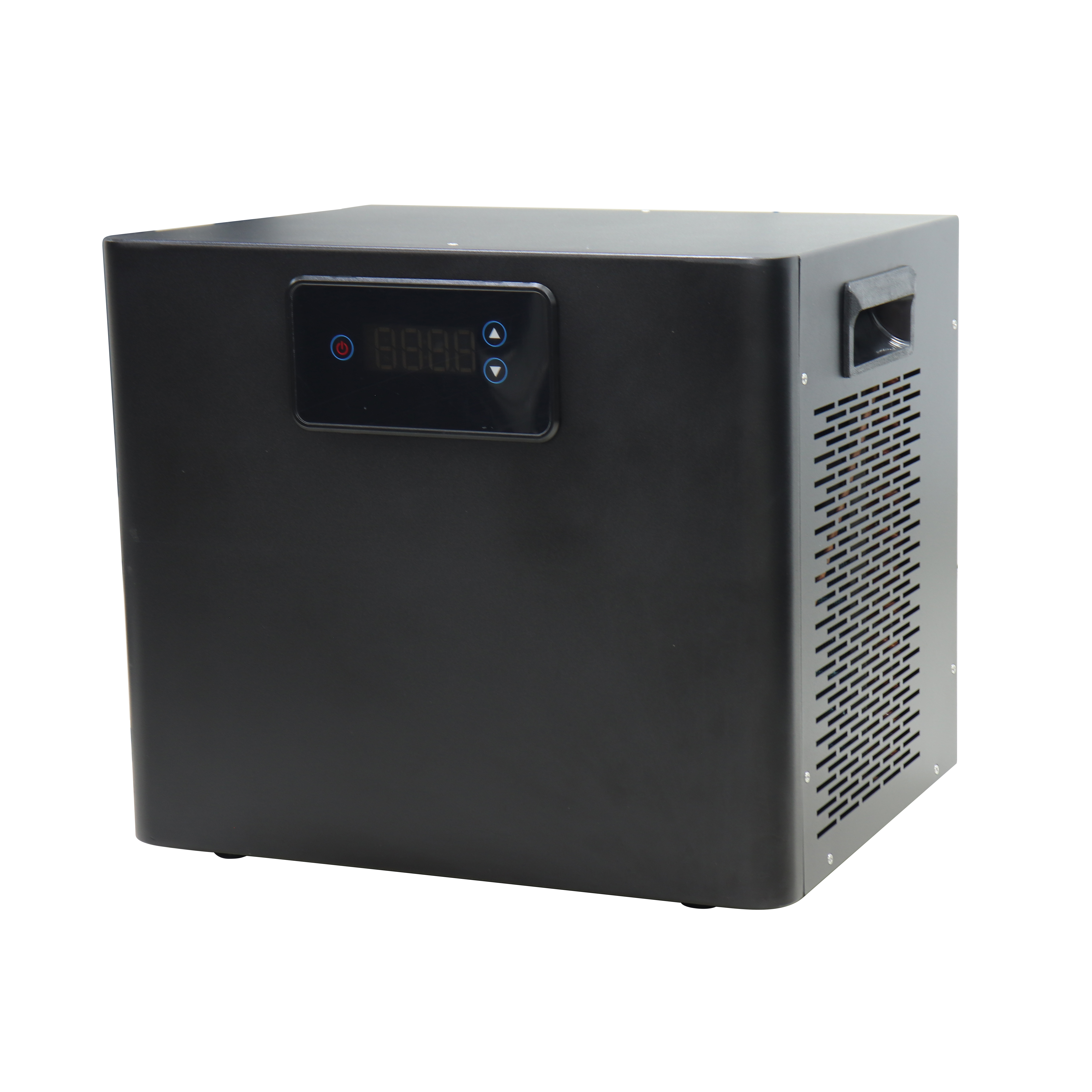
The Engineering Guide to Sizing a Water Chiller for Ice Baths
For facility managers, gym owners, and dedicated cold therapy enthusiasts, the decision to purchase a water chiller is a significant step toward professionalizing the recovery experience. However, selecting the correct chiller requires more than just picking a brand. It demands a careful engineering calculation to match the cooling power to the specific volume of water and the environmental conditions of the installation site. A chiller that is too small will struggle to reach the target temperature and will consume excessive energy while wearing out its compressor prematurely. A chiller that is oversized will cycle on and off too frequently, wasting energy. Understanding the core principles of cooling load calculation and the operational differences between chiller types ensures that the investment delivers reliable, consistent performance for years.
The Fundamental Formula for Cooling Load
The first step in selecting a chiller is to calculate the exact cooling load required for the installation. This is the amount of heat energy the chiller must remove to lower the water to the target temperature within a reasonable timeframe. The calculation is based on the specific heat capacity of water. Engineers use a standard formula that multiplies the volume of the water in gallons by a constant factor, the temperature drop required, and the time allowed for the initial cool-down. For example, cooling a typical residential tub from room temperature to a therapeutic target requires a specific BTU output. Because ambient temperature can fluctuate, a safety margin must always be added to this baseline calculation. This margin protects the system from being undersized, which would cause it to run constantly and struggle during hot weather. When reviewing chiller specifications, it is essential to look at the rated BTU output, not just the horsepower rating.
Practical Benchmarks for Tub Sizes
The required cooling power scales directly with the volume of the ice bath. For a smaller residential tub used occasionally in a temperate climate, a chiller with a modest cooling capacity is often sufficient. As the tub volume increases to mid-range sizes commonly used by athletes for regular recovery, the cooling demand rises significantly. A one-horsepower chiller is generally considered the standard for mid-volume tubs operating in moderate indoor temperatures. For large commercial tubs or installations in warm environments where the chiller must work against a high ambient heat load, a more powerful chiller is required. It is always prudent to consult the manufacturer's BTU ratings, as actual compressor performance can vary between models. A general rule of thumb followed by experienced installers is to slightly oversize the chiller. This provides a buffer for the inevitable heat gain from the pump, the user's body, and the surrounding air.
Air-Cooled Chillers: Simplicity and Environmental Sensitivity
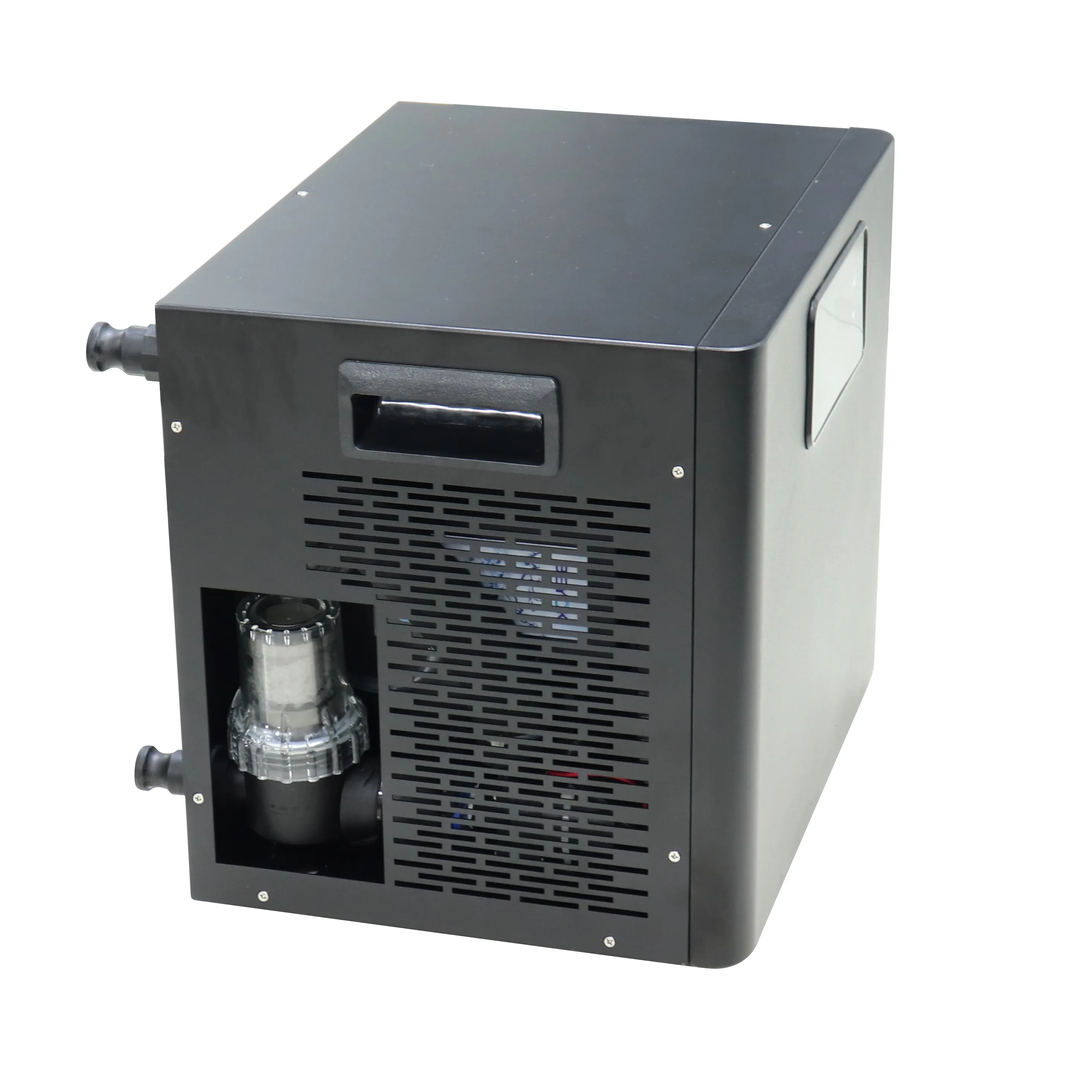
Air-cooled chillers represent the most common and straightforward choice for most residential and light commercial installations. They operate by passing ambient air over a finned condenser coil to reject the heat pulled from the water. Their primary advantage is the simple plug-and-play installation, which does not require a dedicated water source. However, the performance of an air-cooled chiller is heavily dependent on the temperature and humidity of the room. In a cool, dry basement, the condenser can efficiently dump heat. But when the ambient temperature rises above ninety degrees Fahrenheit, the temperature differential between the condenser and the air shrinks. The chiller's efficiency drops sharply. The compressor is forced to run for longer periods, consuming more electricity and accelerating wear. In hot, poorly ventilated garages, an air-cooled unit may struggle to maintain a low target temperature. An undersized unit in this environment will experience thermal drift and may eventually overheat.
Water-Cooled and Heat Pump Systems for Demanding Environments
For commercial facilities, clinics, or high-end home installations in warm climates, water-cooled chillers and heat pumps offer a superior alternative. Instead of depending on ambient air, these systems reject heat through a sealed water loop. This design completely decouples the cooling performance from the room temperature. Even when the outside air is extremely hot, the water-cooled chiller maintains its full cooling capacity. This stability is essential for clinics and spas that require precise, consistent temperatures regardless of the season. The chilled water loop can be routed to a remote cooling tower or a dry cooler, keeping the mechanical noise and heat out of the recovery room. Some advanced heat pump models can even reverse the cycle to heat the water, making them versatile for facilities that offer both hot and cold therapies.
The Critical Role of Material Durability and Safety Certifications
A water chiller for an ice bath operates in a uniquely hostile environment. It is constantly exposed to chilled water, high humidity, and the sanitizing chemicals used to keep the tub clean. Standard metals will rapidly corrode and fail under these conditions. This is why the internal plumbing, the evaporator coil, and the water pump must be constructed from corrosion-resistant materials. Marine-grade stainless steel is often used because it resists the chloride-induced pitting that attacks standard steel. High-density polymer tanks are also preferred, as they eliminate metallic corrosion entirely. Electrical safety is equally critical. Because the chiller operates with high voltage in a wet environment, it must carry a recognized safety certification from an independent testing laboratory. This certification verifies that the unit is protected against electrical shock and fire hazards. Furthermore, integrating a Ground Fault Circuit Interrupter into the power circuit is a non-negotiable safety requirement.
Managing Ventilation for Air-Cooled Units
For facilities that choose an air-cooled chiller, proper ventilation is the key to long-term reliability. The condenser requires a steady flow of cool air to dissipate the heat. If the unit is installed in a tight closet or pushed against a wall, the hot exhaust air will recirculate, causing the compressor to overheat and the efficiency to plummet. Manufacturers provide specific clearance requirements, typically recommending that the chiller have open space on all sides. Ignoring these guidelines will void the warranty and drastically shorten the lifespan of the equipment. In a hot climate, installing a small exhaust fan to pull the hot air out of the mechanical room can significantly improve the chiller's performance.
Analyzing the Total Cost of Ownership
When evaluating the financial viability of a chiller, a facility manager must look beyond the purchase price. The true cost of ownership includes the electricity consumed over the years, the maintenance required to keep it running, and the potential cost of downtime. While a premium chiller with a high-quality compressor has a higher upfront price, it will operate more efficiently and reliably. A budget unit may seem attractive initially, but if its compressor fails after a few years, the replacement cost and the lost revenue during the repair will quickly eclipse the initial savings. For commercial gyms where the cold plunge is a key amenity, a single day of downtime can cost more than the price difference between an entry-level and a professional-grade chiller. Therefore, prioritizing reliability and warranty support is a far more economical strategy in the long run.
How Quality Manufacturing Guarantees Long-Term Reliability
Ultimately, the long-term performance of a water chiller depends on the quality of the manufacturing process. The precision of the heat exchanger assembly, the integrity of the electrical control board, and the quality of the compressor all determine how the chiller will perform under daily stress. Manufacturers who adhere to recognized quality management systems, such as ISO 9001, conduct rigorous pressure testing and performance validation on every unit before it leaves the factory. By maintaining strict oversight over the sourcing of high-grade compressor and heat exchanger materials, responsible suppliers ensure that the delivered system will maintain its cooling capacity and energy efficiency for years. For a facility manager who depends on the ice bath to provide consistent, therapeutic cold exposure, partnering with a disciplined, quality-focused manufacturer provides the ultimate confidence in their equipment investment.