
 EN
EN
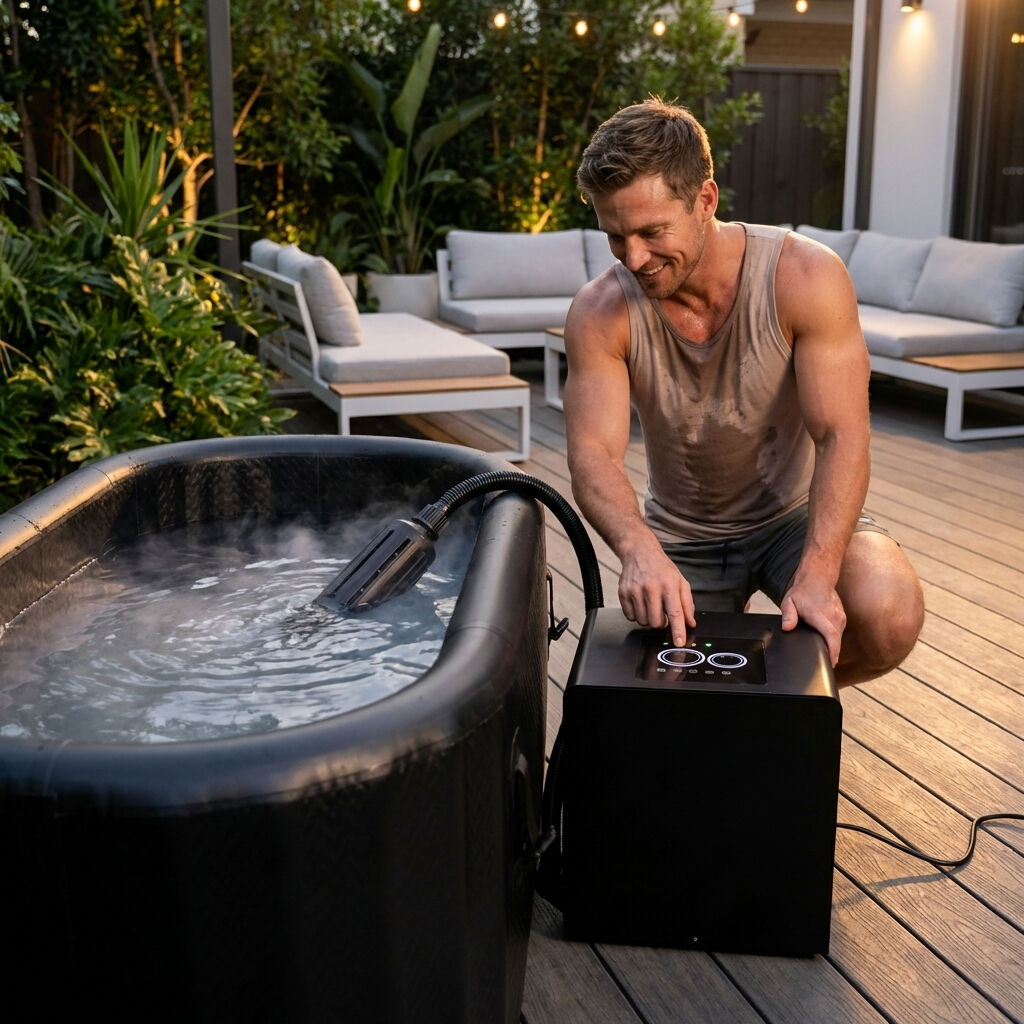
Why Portable Ice Baths Are Transforming Recovery Accessibility
Portable ice baths are revolutionizing athletic recovery by eliminating traditional barriers like facility dependence and complex setup. Once confined to professional sports complexes, cold therapy now reaches home gyms, travel destinations, and remote training sites through collapsible designs and integrated insulation systems. This accessibility democratizes elite recovery protocols—according to a 2023 sports medicine study, 78% of recreational athletes reported faster resolution of muscle soreness using portable units compared to traditional methods.
The shift responds to growing demand from fitness enthusiasts and biohackers seeking affordable alternatives to cryotherapy chambers. Unlike fixed installations requiring plumbing and dedicated space, modern portable versions deploy in minutes and maintain target temperatures for 90+ minutes using advanced thermal materials. Their compact storage and transportability also support consistent routines—critical because research shows regular cold exposure yields cumulative anti-inflammatory benefits.
Key factors driving adoption include:
- Cost efficiency: 60–70% cheaper than commercial cryo installations
- Space optimization: Folds to 20% of operational size
- Immediate usability: No permanent installation or water lines needed
As recovery science prioritizes convenience alongside efficacy, portable ice baths bridge the gap between clinical-grade results and practical daily implementation across diverse fitness levels.
How Portable Ice Baths Work: Physiological Mechanisms Behind Recovery Benefits
Vasoconstriction and Metabolic Slowdown
Cold water immersion triggers immediate vasoconstriction—narrowing blood vessels to reduce peripheral blood flow. This process decreases inflammation by up to 30%, according to peer-reviewed sports science research, while slowing metabolic activity in muscle tissue. The resulting energy conservation preserves cellular function and delays fatigue signaling during recovery. Athletes commonly report reduced delayed-onset muscle soreness (DOMS), as this mechanism limits exercise-induced microtrauma without impeding long-term adaptation.
Inflammation Modulation and Immune System Interaction
Portable ice baths help regulate inflammatory cytokines—including IL-6 and TNF-α—while stimulating production of anti-inflammatory mediators. A 2024 study published in the Journal of Athletic Training found that acute cold exposure increased circulating immune cells by 15–20%, enhancing post-exercise pathogen surveillance. Upon exiting the bath, the “rebound effect” occurs: vasodilation floods tissues with oxygen-rich blood, accelerating clearance of lactate and other metabolic waste. This dual-phase response supports tissue repair while preserving adaptive immunity.
Choosing the Right Portable Ice Bath: Key Features That Impact Efficacy and Longevity
Material Durability, Insulation, and UV Resistance
Robust construction is foundational to performance and longevity. Prioritize puncture-resistant materials such as reinforced PVC or thermoplastic polyurethane (TPU), engineered for repeated inflation, folding, and environmental stress. Insulation quality directly affects temperature retention—high-performance units use multi-layer foam or air-gap designs that extend cold-holding capacity by up to 40%, per independent thermal testing. For outdoor use, UV-resistant coatings are non-negotiable; unprotected materials degrade 2.5× faster under direct sunlight, compromising structural integrity and safety.
Portability, Drainage Design, and Temperature Retention Performance
True portability balances lightweight design with functional stability. Look for models under 15 lbs featuring reinforced handles and integrated carry bags—enabling seamless transitions from gym to field. Efficient drainage prevents stagnation and bacterial growth: gravity-fed valves or integrated pumps should fully empty a 100-gallon unit within five minutes. For sustained therapeutic effect, prioritize lid seals and ambient insulation that limit temperature loss to ≤1°F per hour in 70°F environments—a benchmark verified through third-party validation. These features collectively maximize both recovery outcomes and equipment ROI.
Optimizing Your Portable Ice Bath Protocol: Duration, Temperature, and Individualization
Evidence-Based Guidelines by Fitness Level and Recovery Goal
Cold Water Immersion (CWI) protocols must be calibrated to experience level and objective. Beginners should start at 15–18°C (59–64°F) for 5–10 minutes, decreasing temperature by 1°C weekly to build tolerance. Athletes targeting inflammation reduction achieve optimal benefit at 10–15°C (50–59°F) for 5–15 minutes post-training. Sessions should never exceed 20 minutes due to hypothermia risk; extreme cold (4–8°C / 39–46°F) is appropriate only for experienced users—and limited to 3–5 minutes.
| Temperature Range | Duration | Best For | Key Safety Consideration |
|---|---|---|---|
| 15–18°C (59–64°F) | 5–10 minutes | Beginners, daily adaptation | Low risk; ideal for acclimatization |
| 10–15°C (50–59°F) | 5–15 minutes | Athletes, post-competition recovery | Avoid after strength training |
| 4–8°C (39–46°F) | 3–5 minutes max | Experienced users, mental challenge | High hypothermia risk |
Adapting Protocols for Body Composition and Cold Tolerance
Individual physiology significantly influences safe and effective cold exposure. Leaner individuals typically require shorter durations—reducing time by 2–3 minutes—due to lower thermal insulation and faster core cooling. Those with higher body fat may tolerate slightly longer sessions, though metabolic rate variations still affect shivering onset and perceived exertion. Personalized adjustments should rely on subjective feedback scales rather than rigid timing alone. As always, consult a healthcare provider before initiating or modifying cold therapy—especially with cardiovascular, neuropathic, or autonomic conditions.
FAQ: Portable Ice Baths
Q: What is the primary benefit of a portable ice bath?
A: Portable ice baths make cold therapy accessible by eliminating the need for fixed installations, while offering convenience and cost-effectiveness for enhanced muscle recovery and inflammation reduction.
Q: How do portable ice baths differ from traditional cryotherapy chambers?
A: Portable ice baths are affordable, compact, and require no plumbing, unlike expensive fixed cryotherapy chambers that need dedicated space and infrastructure.
Q: How long should a beginner stay in a portable ice bath?
A: Beginners should start with 5–10 minutes at a temperature of 15–18°C (59–64°F), gradually reducing the temperature as they build tolerance.
Q: Are portable ice baths safe for everyone?
A: While generally safe, individuals with cardiovascular, neuropathic, or autonomic conditions should consult a healthcare provider before starting cold therapy.
Q: What features should I look for in a portable ice bath?
A: Prioritize puncture-resistant materials, efficient insulation, UV resistance, lightweight portability, and effective drainage systems for the best results.
Table of Contents
- Why Portable Ice Baths Are Transforming Recovery Accessibility
- How Portable Ice Baths Work: Physiological Mechanisms Behind Recovery Benefits
- Choosing the Right Portable Ice Bath: Key Features That Impact Efficacy and Longevity
- Optimizing Your Portable Ice Bath Protocol: Duration, Temperature, and Individualization
- FAQ: Portable Ice Baths