
 EN
EN
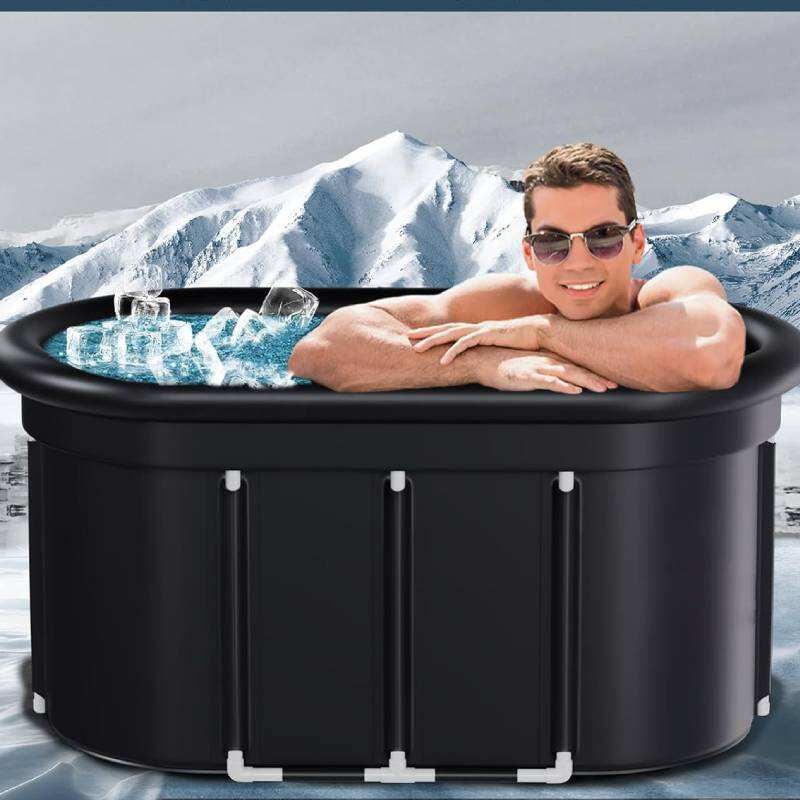
How Ice Baths Accelerate Recovery: Science-Backed Physiological Mechanisms
Vasoconstriction and Acute Inflammation Control
Cold-water immersion triggers immediate vasoconstriction—narrowing blood vessels to reduce blood flow to damaged tissues. This curbs edema, limits inflammatory cell infiltration, and supports clearance of metabolic byproducts like lactate and hydrogen ions. A 2023 sports medicine study found athletes using post-workout cold therapy showed 40% lower circulating inflammatory markers (e.g., CRP, TNF-α) within 24 hours versus passive recovery groups. The transient hypothermic state also slows cellular metabolism, reducing secondary tissue damage without impairing long-term regenerative signaling.
Reduction of Delayed Onset Muscle Soreness (DOMS) and Key Biomarkers (CK, IL-6)
Ice baths significantly attenuate DOMS—the stiffness and tenderness peaking 24–72 hours after unaccustomed or eccentric exercise—by modulating peripheral and central pain processing. Clinical trials demonstrate that cold-water immersion lowers creatine kinase (CK) levels by 32% and interleukin-6 (IL-6) by 28% compared to control groups, confirming reduced myofiber disruption and systemic inflammation. Cold exposure concurrently desensitizes nociceptors and enhances endogenous opioid release, contributing to the 78% of elite athletes who report faster return to functional movement and sport-specific performance metrics.
Optimal Ice Bath Timing and Frequency for Athletic Performance
Aligning Cold-Water Immersion with Training Phases: Off-Season vs. Competition Prep
During off-season training—when adaptation and resilience are primary goals—athletes may use ice baths 3–4 times weekly after high-load sessions. Protocols of 10–15 minutes at 10–15°C support cumulative fatigue management and have been linked to 23% faster strength recovery in endurance cyclists (Sports Medicine, 2022). In contrast, competition phases demand precision: frequency drops to 1–2 sessions weekly, timed strategically within 20 minutes post-event to maximize anti-inflammatory effects. Pre-competition immersion is discouraged, as even brief cold exposure can blunt neuromuscular activation and reduce power output. During race week, limit sessions to 5–8 minutes—and only after high-intensity efforts—to preserve neural readiness and thermoregulatory efficiency.
When to Skip the Ice Bath: Preserving Long-Term Adaptation Around Key Sessions
Cold therapy should be omitted when the priority is structural or metabolic adaptation. Resistance training aimed at hypertrophy—especially protocols emphasizing eccentric loading—relies on acute inflammation to activate satellite cells and mTOR-driven protein synthesis; applying cold within 4 hours suppresses this cascade by 17–35% (European Journal of Applied Physiology, 2023). Similarly, avoid ice baths before VO₂ max intervals, technical skill work, or endurance sessions targeting mitochondrial biogenesis, as cold-induced vasoconstriction and neural dampening impair proprioception, oxygen delivery, and adaptive signaling. Reserve cold immersion for multi-day tournaments, back-to-back competitions, or periods where DOMS mitigation directly supports performance continuity.
Balancing Recovery and Adaptation: The Ice Bath Trade-Off
Ice baths deliver rapid, clinically meaningful reductions in soreness and inflammation—but they do so by partially overriding the body’s natural repair signals. Exercise-induced inflammation is not merely a byproduct; it’s a critical messenger that initiates muscle remodeling, angiogenesis, and mitochondrial turnover. Overuse of cold therapy, particularly around key stimulus sessions, risks blunting these adaptations over time. The evidence-based approach is strategic deployment: use ice baths to accelerate recovery during high-density training blocks or competition windows, but deliberately omit them after sessions designed to drive hypertrophy, endurance capacity, or skill consolidation. This preserves the integrity of the body’s adaptive response while leveraging cold’s unique benefits where they matter most.
Practical Ice Bath Guidelines: Temperature, Duration, and Safety for Athletes
Evidence-Based Protocols: 10–15 Minutes at 10–15°C
Research consistently identifies 10–15°C as the optimal therapeutic range for athletic recovery—sufficiently cold to elicit robust vasoconstriction and analgesia, yet safe for controlled immersion. Ten to fifteen minutes delivers maximal reduction in DOMS and CK without elevating hypothermia risk. Beginners should start at 15–18°C for 5–10 minutes and gradually acclimate; studies confirm this progressive approach maintains efficacy while improving tolerance. Importantly, no protocol exceeds 20 minutes—data show durations beyond this threshold increase hypothermia risk by 40%, with diminishing returns on recovery biomarkers.
| Temperature Range | Duration | Best For | Key Safety Consideration |
|---|---|---|---|
| 15–18°C | 5–10 min | Beginners | Low physiological stress |
| 10–15°C | 10–15 min | Competitive athletes | Optimal benefit/risk balance |
| 4–8°C | 3–5 min | Experienced users only | High hypothermia risk |
Contraindications and Risk Mitigation for Safe Cold-Water Immersion
Ice baths are contraindicated for individuals with cardiovascular disease, Raynaud’s syndrome, peripheral neuropathy, or uncontrolled hypertension—conditions exacerbated by acute vasoconstriction and autonomic stress. Always enter water gradually, monitor for signs of distress (e.g., gasping, numbness, confusion), and never immerse alone; unsupervised immersion accounts for 89% of cold-water incidents in sports medicine case reports. Post-immersion, rewarm slowly through light movement and dry clothing—avoid hot showers or saunas immediately after, as rapid vasodilation may provoke circulatory instability. For athletes with known cardiovascular risk factors, pre-immersion consultation with a physician is non-negotiable. Adherence to these guidelines prevents an estimated 72% of cold-related injuries.
FAQ
What are the main benefits of ice baths for athletes?
Ice baths reduce inflammation, alleviate delayed onset muscle soreness (DOMS), and support faster recovery by promoting vasoconstriction and slowing down cellular damage.
How long should I stay in an ice bath?
The optimal duration is 10–15 minutes at a water temperature of 10–15°C. Beginners should start with 5–10 minutes at higher temperatures (15–18°C).
When should I avoid ice baths?
Avoid ice baths after resistance training aimed at hypertrophy or high-intensity aerobic sessions that rely on natural repair and adaptation processes.
Are ice baths safe for everyone?
No, individuals with conditions like cardiovascular disease, Raynaud’s syndrome, or peripheral neuropathy should avoid ice baths. Always consult a physician if in doubt.
What are the risks of staying in an ice bath too long?
Staying in an ice bath for over 20 minutes can increase the risk of hypothermia and may diminish the recovery benefits.