
 EN
EN

Understanding Infrared Sauna Detox: The Science of Deep Heat and Recovery
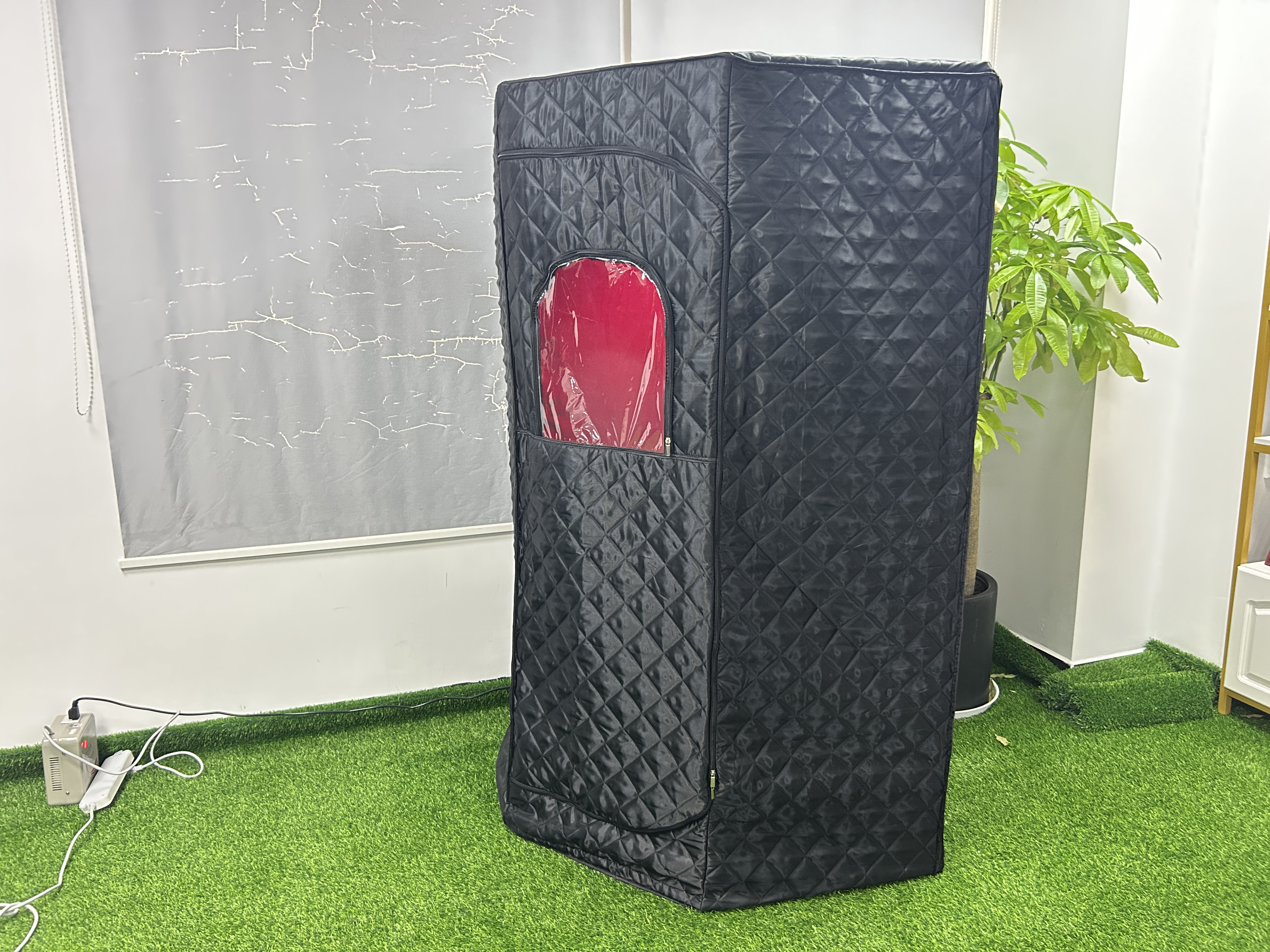
For wellness enthusiasts and health professionals, the infrared sauna has become a popular tool for relaxation, recovery, and supporting the body's natural cleansing processes. Unlike traditional saunas that heat the air around the user, infrared saunas use specific wavelengths of light to directly penetrate the skin and warm the body from the inside out. This unique method of heating has sparked considerable interest in its potential to support detoxification pathways. While the concept is often surrounded by bold marketing claims, the actual physiological effects are grounded in established science. Understanding how infrared heat interacts with the body helps users separate realistic benefits from hype and use the sauna as a meaningful part of a healthy lifestyle.
The Mechanism of Deep Tissue Heating
The defining feature of an infrared sauna is its ability to deliver heat directly to the body's soft tissues. The infrared light waves bypass the ambient air and penetrate up to an inch and a half into the skin. This deep thermal energy raises the core temperature gently, targeting the muscles and fatty layers where certain environmental compounds tend to accumulate. As the infrared energy penetrates, it causes water molecules within the cells to resonate. This vibration generates internal heat, which triggers a powerful vasodilation response. The blood vessels expand, improving microcirculation throughout the body. This increased blood flow enhances the delivery of oxygen and nutrients to the tissues while simultaneously facilitating the drainage of metabolic waste through the lymphatic system. The mild hyperthermia also stimulates the activity of liver cells and increases blood flow to the kidneys. These effects support the body's primary filtration and processing systems, helping them function more efficiently.
The Role of Sweating in Toxin Elimination
Sweating is the most visible and often most discussed physiological response to an infrared sauna session. The deep, penetrating heat stimulates the sweat glands to produce a more copious sweat than a traditional sauna. Several peer-reviewed studies have analyzed the composition of this sweat and found that it contains trace amounts of heavy metals, such as lead, mercury, and arsenic. There is ongoing scientific discussion about whether this represents a meaningful elimination pathway for the body. For certain compounds, the concentration in sweat can exceed the concentration found in urine, suggesting that sweating does provide a supplementary route of excretion. However, it is critical to understand the scale of this process. The absolute mass of heavy metals eliminated in a single sauna session is extremely small. The liver and kidneys remain the dominant organs responsible for filtering and eliminating toxins. An infrared sauna should be viewed as a supportive tool that assists these primary organs, rather than a standalone method for detoxifying the body.
The Science of Infrared Wavelengths
Infrared radiation is divided into three distinct bands, each interacting with human tissue in a specific way. Near-infrared waves, which have the shortest wavelength, penetrate the superficial layers of the skin. They primarily stimulate cellular activity, such as collagen synthesis, in the skin and connective tissues. Mid-infrared waves reach slightly deeper, inducing localized vasodilation and improving oxygenation of the skin. Far-infrared waves, with the longest wavelength, achieve the deepest penetration. They resonate efficiently with the water molecules in the body, warming the muscle and adipose tissues directly. Because of its depth of penetration and thermal efficiency, far-infrared is the predominant wavelength used in therapeutic saunas. It gently elevates the temperature of the deep tissues, creating a controlled hyperthermic effect that supports the physiological benefits of the sauna experience.
The Relaxation Response and Parasympathetic Activation
Beyond the physical heating, an infrared sauna session triggers a profound shift in the body's nervous system. The gentle, sustained warmth activates the parasympathetic nervous system, which governs the body's rest and digest functions. This activation is often measured through an improvement in heart rate variability, which indicates a more resilient and balanced nervous system. A well-functioning parasympathetic system is associated with lower levels of cortisol, the body's primary stress hormone. As cortisol levels decline, the user experiences a deep sense of relaxation and mental clarity. The heat also stimulates the release of endogenous endorphins, which are the body's natural pain-relieving and mood-elevating chemicals. This combination of reduced stress hormones and increased endorphins creates a state of well-being that can last well beyond the sauna session.
Aiding Neurological Recovery and Sleep
The neural effects of a regular infrared sauna practice extend into the hours following the session. The improved blood flow and reduced sympathetic nervous system activity create an optimal state for neural recovery. Many users report a significant reduction in mental fatigue and a sharpening of cognitive focus. The deep relaxation also supports improved sleep architecture. The body is better able to transition into slow-wave and REM sleep, which are critical for physical restoration and cognitive processing. For athletes and active individuals, this improved sleep quality is a key component of the overall recovery cycle. It ensures that the body is not only physically repaired but also neurologically ready for the next training session.
What the Current Evidence Shows
When evaluating the benefits of infrared saunas, it is important to rely on the current body of clinical evidence. Research consistently demonstrates the immediate and tangible benefits of improved circulation, pain relief, and stress reduction. The relaxation response and the cardiovascular benefits are well-documented. However, when it comes to the dramatic detoxification claims that are often associated with these products, the science requires a more cautious interpretation. While the sweat does contain heavy metals, the cumulative amount eliminated per session is minimal. The primary detoxification organs—the liver and the kidneys—still perform the vast majority of the body's filtration work. Therefore, marketing claims that suggest an infrared sauna can "flush out toxins" or "purify the blood" should be viewed with a healthy dose of skepticism. The benefits of the sauna come from supporting the body's natural functions, not from replacing them.
Incorporating Infrared Saunas into a Healthy Lifestyle
For many users, the best approach is to incorporate the infrared sauna as a tool for regular self-care and recovery. The cardiovascular workout, the deep relaxation, and the mental reset are valuable benefits that can significantly improve quality of life. Using the sauna two or three times a week for a moderate duration is a sustainable practice. It is important to stay well-hydrated and to listen to the body's signals. For individuals with pre-existing health conditions, a consultation with a physician is always recommended before starting a new heat-based therapy.
How Quality Manufacturing Enhances the Sauna Experience
Ultimately, the effectiveness and safety of an infrared sauna depend heavily on the quality of the manufacturing. The performance of the heating elements, the consistency of the wavelength emission, and the integrity of the electrical system all dictate how the sauna heats the user. Manufacturers who adhere to strict quality management systems, such as ISO 9001, subject their units to rigorous testing for heat distribution and electrical safety. By maintaining tight control over the sourcing of heating materials and the final assembly, responsible suppliers ensure that the delivered sauna provides a consistent, safe, and effective experience. For a consumer investing in a sauna for long-term health and wellness, choosing a product from a disciplined manufacturer provides the ultimate confidence in both the safety and the efficacy of the investment.