
 EN
EN
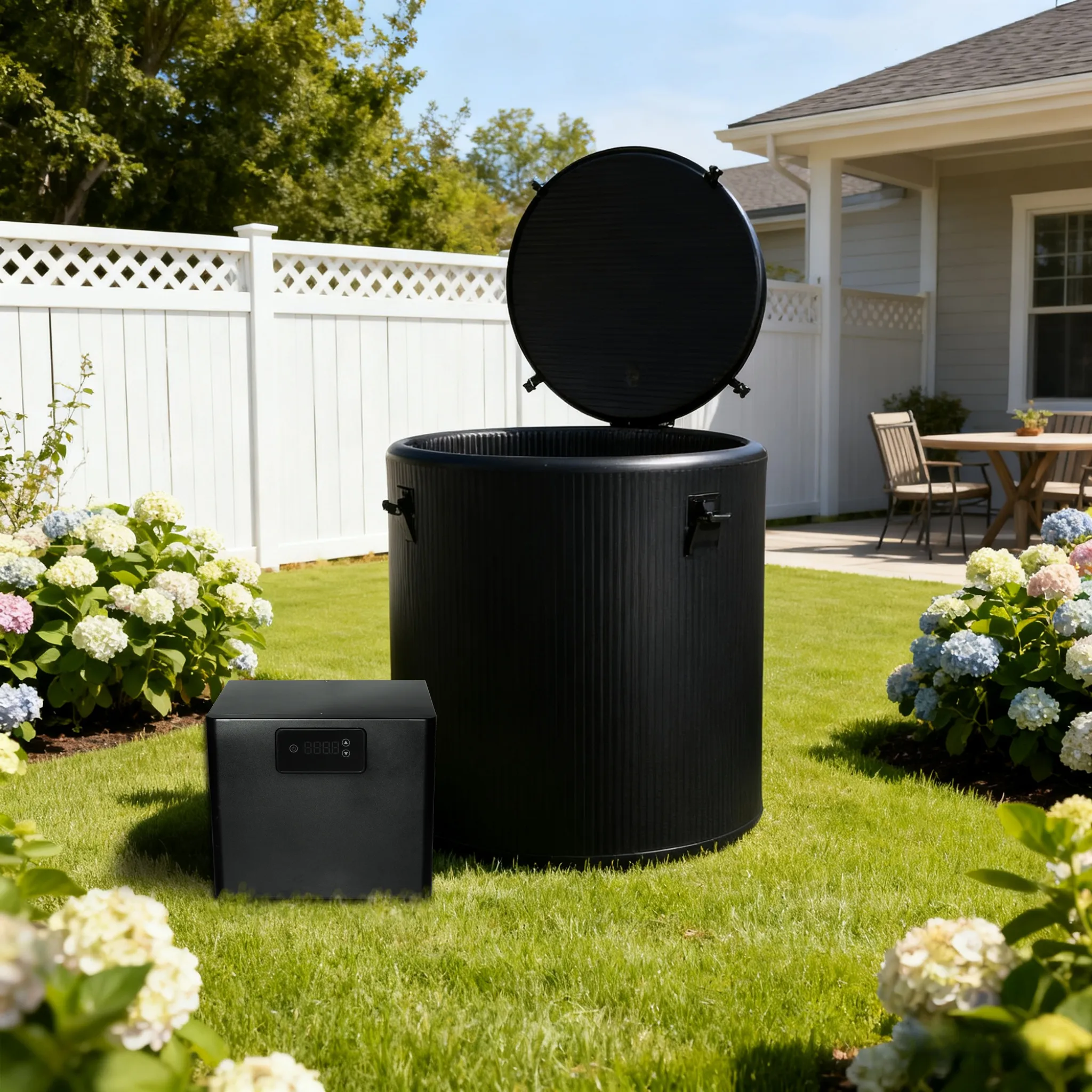
Finding the Perfect Water Chiller for Ice Bath Recovery
For wellness centers, athletic training facilities, and home users dedicated to cold therapy, the water chiller is the engine that makes the practice consistent and sustainable. While an inflatable tub can be filled with ice for a single session, maintaining a precise, repeatable cold temperature day after day requires a dedicated cooling system. The challenge lies in selecting a chiller that possesses enough cooling power to handle the thermal load of the tub and the frequent heat introduction from users. It is a decision that involves more than just looking at the peak horsepower rating. A chiller that is too small will struggle to maintain the target temperature, causing compressor stress and erratic performance. A chiller that is properly matched to the tub volume and ambient conditions will operate efficiently and reliably for many years. Understanding the core engineering principles behind cooling capacity and system reliability is essential for making a sound investment.
Calculating the True Cooling Load
The first step in selecting a chiller is determining the actual cooling demand of the system. This calculation begins with the volume of the tub. A larger volume of water requires significantly more energy to chill to the target temperature. The ambient temperature of the room is the second critical variable. If the chiller is installed in a warm garage or a sunlit room, the system must work much harder to overcome the constant heat gain from the environment. The difference between the ambient temperature and the desired ice bath temperature creates the temperature differential, which is a direct driver of cooling demand. Engineers use a standard formula to estimate the required British Thermal Units per hour. A safety factor is always added to this calculation. This margin accounts for the fact that real-world conditions are rarely as perfect as a laboratory. The safety buffer ensures that the chiller does not operate at its absolute maximum capacity constantly, which would dramatically shorten its lifespan and reduce its effectiveness over time.
The Critical Difference Between Peak Power and Sustained Stability
A common mistake in chiller selection is focusing solely on the peak cooling power required to chill the water from room temperature to the target temperature. While peak power is important for the initial cool-down, the true test of a chiller is its ability to sustain that temperature during heavy use. When a user enters the cold water, their body heat immediately transfers into the tub. If the tub has a high-user volume, this thermal shock can raise the water temperature by several degrees within seconds. A chiller that only possesses enough power for the initial chill will take a very long time to recover the target temperature. During this recovery period, the next user will experience a warmer, less effective plunge. Therefore, it is essential to size the chiller with a reserve capacity. This extra power allows the system to rapidly remove the heat introduced by the user, ensuring that the water temperature is stable and consistent for every single session.
The Role of Insulation and Hydraulic Integration
The performance of a water chiller is heavily influenced by the characteristics of the tub and the plumbing system. A tub with high-density foam insulation or a double-wall construction significantly reduces the thermal load on the chiller. The insulation prevents ambient heat from leaking into the cold water, which means the chiller does not have to run as frequently to maintain the setpoint. This reduces energy consumption and extends the life of the compressor. The integration of the plumbing is equally important. The chiller's pump must be carefully matched to the volume of the tub and the diameter of the connecting hoses. If the plumbing introduces excessive turbulence or friction, it generates heat that works against the chiller. When the insulation, pump, and chiller are harmoniously matched, the entire system operates at peak efficiency.
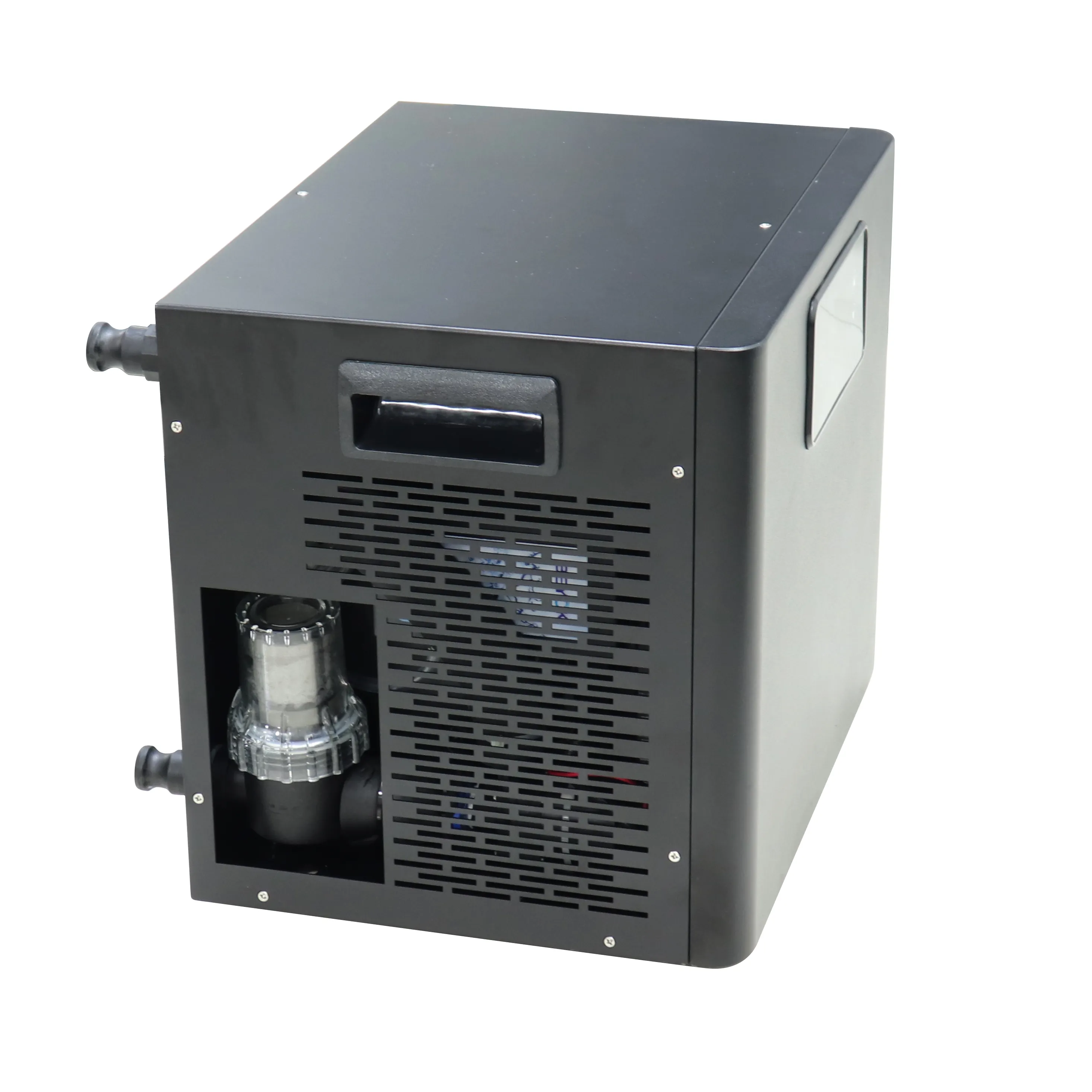
Precision Temperature Control for Therapeutic Consistency
The goal of a cold therapy session is to achieve a specific physiological response, which is closely tied to the exact water temperature. A chiller that only offers a basic on/off switch will struggle to maintain a steady temperature. The temperature will swing significantly above and below the target, creating an uncomfortable experience that may not deliver the intended therapeutic benefits. Modern high-quality chillers utilize digital thermostats that hold the water temperature within a very tight tolerance. This precision ensures that every time a user steps into the tub, the water is at the exact temperature they expect. The recovery time—the minutes it takes for the chiller to restore the setpoint after a user enters the tub—is a critical performance metric. A chiller with an oversized compressor and a responsive thermostat can recover the target temperature in under fifteen minutes, ensuring that the tub is ready for the next user without delay.
Building a System That Provides Long-Term Reliability
The long-term value of a water chiller is determined by the quality of its internal components. The compressor, which is the motor that drives the cooling cycle, must be built to handle the stress of continuous operation. Advanced chillers use variable-speed, inverter-driven compressors. These compressors adjust their output based on the demand, which reduces wear and tear compared to traditional fixed-speed models. The heat exchanger, which transfers heat from the water to the refrigerant, must be constructed from high-grade titanium or stainless steel. These metals resist corrosion from the chemicals used to sanitize the water. Copper or aluminum heat exchangers will quickly degrade in a cold bath environment, leading to refrigerant leaks and costly breakdowns. The chassis and internal plumbing must also be sealed against moisture. A high-quality chiller features a sealed, waterproof electrical enclosure that protects the internal electronics from the high humidity that naturally surrounds a water chilling system.
Maintaining Performance in Harsh Conditions
A chiller installed in a garage or a closed room will face extreme ambient temperatures during the summer months. As the air temperature rises, the chiller's condenser must work harder to reject the heat pulled from the water. A well-designed chiller features an oversized condenser and a high-efficiency fan. This ensures that the cooling capacity does not drop off significantly as the ambient temperature climbs. A chiller that is built for these real-world conditions will maintain its rated cooling power even on the hottest days. This thermal stability is the hallmark of a system designed for continuous duty, not just sporadic use.
The Value of Smart Features and Simple Maintenance
Modern chillers offer a range of smart features that enhance the user experience. Wi-Fi connectivity allows users to pre-cool the tub remotely, ensuring it is ready at the exact time of the plunge. Integrated UV-C disinfection systems automatically sanitize the water, reducing the need for harsh chemicals and frequent water changes. These features streamline the maintenance process and ensure the water remains hygienic. However, it is important to remember that these smart features are enhancements. The core of the system remains the cooling power and the build quality. A chiller with a high-quality compressor and heat exchanger will provide years of reliable service, regardless of whether it features the latest Wi-Fi technology.
How Quality Manufacturing Guarantees Chiller Reliability
Ultimately, the reliability and performance of a water chiller depend on the quality of the manufacturing process. The precision of the compressor assembly, the integrity of the heat exchanger welds, and the consistency of the control board electronics all determine how the chiller will perform under daily stress. Manufacturers who adhere to recognized quality management systems, such as ISO 9001, conduct rigorous pressure testing and performance validation on every unit before it leaves the factory. By maintaining strict oversight over the sourcing of high-grade compressors and heat exchanger materials, responsible suppliers ensure that the delivered system will maintain its cooling capacity and energy efficiency for years. For a facility manager who depends on the ice bath to provide consistent, therapeutic cold exposure, partnering with a disciplined, quality-focused manufacturer provides the ultimate confidence in their equipment investment.