
 EN
EN
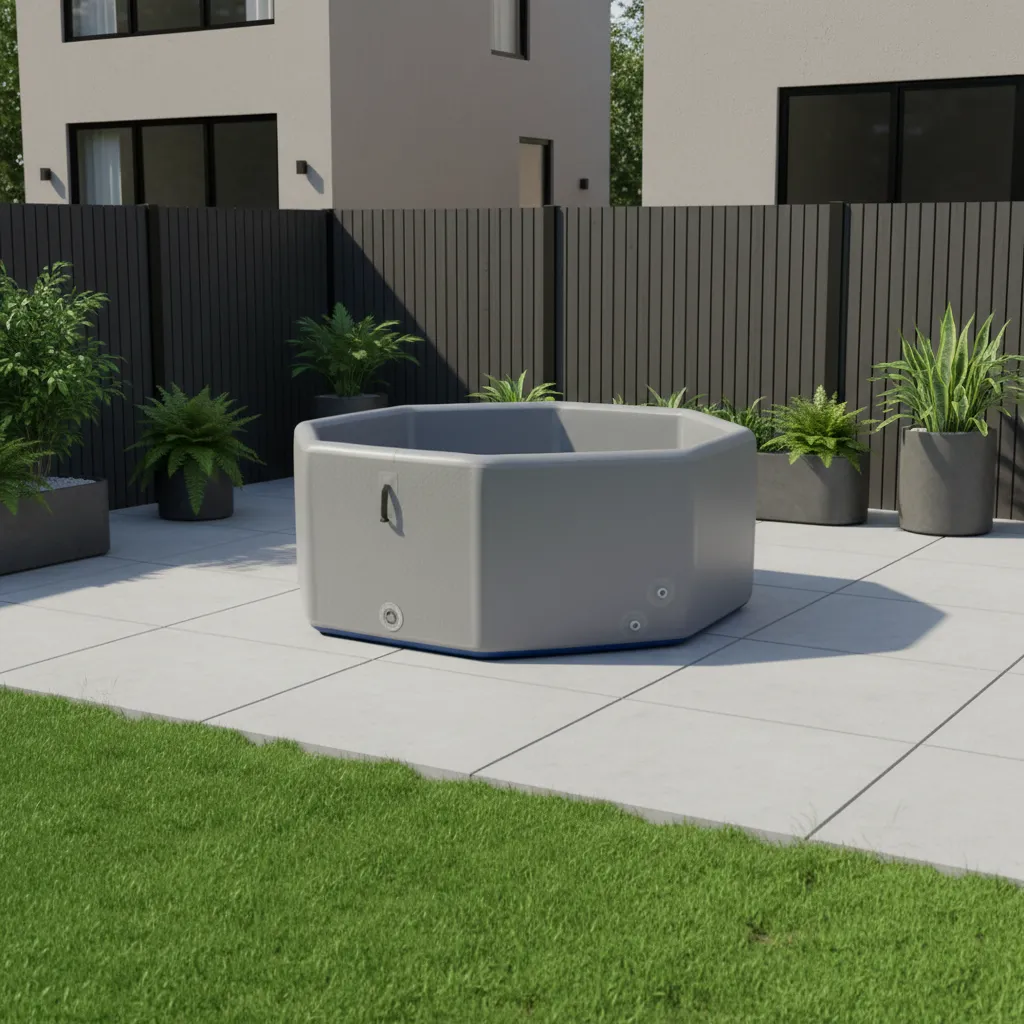
The Recovery Room That Transformed a Gym's Bottom Line
A boutique fitness studio in Austin, Texas, had a 180-square-foot storage room collecting dust behind the workout floor. The owner, after attending a recovery industry conference, decided to install a portable cold plunge tub in that unused space. She priced sessions at $20 for members and $30 for drop-ins. Within two months, the room was generating $4,200 in monthly revenue—and, more importantly, members who used the cold plunge at least twice weekly had a 34% higher retention rate than non-users. The $6,500 equipment investment paid for itself in under three months.
This outcome is not an isolated success story. Over the past three years, our commercial wellness team has advised on portable cold plunge installations across 50+ facilities—from CrossFit boxes to corporate wellness centres and physical therapy clinics. The consistent pattern is clear: when operators understand the market demand, price strategically, and choose equipment that delivers reliable performance, a portable cold plunge tub transitions from a trend to a high-margin, recurring revenue asset. Understanding the commercial case isn't just about the equipment—it is about seizing a market opportunity that is growing faster than the infrastructure to support it.
The Market Gap – Why Demand Is Outpacing Fixed Installations
The wellness industry is pivoting sharply toward service-based recovery models, driving strong demand for accessible cold water immersion. The global cold plunge market reached $2.8 billion in 2023 and is projected to grow at a 6.8% CAGR through 2030—fuelled by consumer preference for integrated, on-demand recovery over passive spa visits. This growth exposes a critical infrastructure gap: most existing facilities were built for traditional hydrotherapy, not the high-throughput, modular cold plunging experiences modern clients expect. Fixed installations require significant plumbing, dedicated floor space, and lengthy construction timelines—making them impractical for agile businesses.
Portable cold plunge tubs close this gap with plug-and-play deployment in underutilised corners, outdoor patios, or pop-up locations. Industry analysts note their flexibility reduces setup costs by up to 40% compared to in-ground builds while enabling operators to validate market demand before committing to permanent infrastructure. This adaptability is essential as the wellness-as-a-service sector expands into non-traditional venues like office parks and event spaces.
Three Key Use Cases – Where Portable Cold Plunge Tubs Deliver Value
| Use Case | Primary Benefit | Typical Pricing Model | Key Operational Advantage |
|---|---|---|---|
| Boutique Fitness Studios | Premium membership tier differentiation | $15–25/session or bundled | High member retention; attracts premium clients |
| Recovery Clinics | Flexible treatment room configuration | $20–40/session (clinical) | Relocatable; adapts to daily schedule changes |
| Corporate Wellness Programs | Rotating employee wellness hubs | Subsidised or free to employees | Single unit serves multiple departments/locations |
Fitness Studios – Elevating Premium Memberships
Boutique fitness studios use portable cold plunge tubs to elevate premium membership tiers—pairing cold immersion with high-intensity training to attract members willing to pay 20% more for comprehensive recovery bundles. A 2023 WellnessBiz benchmark study found that studios integrating cold plunge therapy reported a 27% membership retention lift over 12 months.
Recovery Clinics – Flexible Treatment Configurations
For recovery clinics, portability enables daily reconfiguration of treatment rooms, moving the tub between private suites or group therapy areas without compromising sterile protocols. Clinics typically charge premium rates of $20–40 per clinical session, with the equipment paying for itself within months.

Corporate Wellness – Rotating Health Hubs
Corporate wellness programmes integrate portable units into rotating wellness fairs and on-site health hubs, where a single tub serves multiple departments across a campus. This versatility is vital in office environments where floor plans change quarterly and permanent installations face lease restrictions.
ROI – The Numbers That Make the Case
Upfront Investment vs. Revenue Uplift
A commercial-grade portable cold plunge tub typically requires an upfront investment of $4,000–$8,000, including integrated filtration and chiller systems. When weighed against potential revenue, the return is compelling. Facilities charging $15–$25 per session—or bundling access into premium memberships—can cover the cost within months. A gym averaging 10 daily sessions generates $150–$250 in direct revenue, translating to a payback period of under six months.
Portability eliminates the need for permanent plumbing, reducing installation costs by up to 40% according to a 2024 FitBiz Report. Beyond direct fees, the real value lies in retention: offering cold plunge as a recovery amenity can lift member retention by 5–10%, directly increasing lifetime value. This dual revenue stream—sessions plus membership retention—turns a portable cold plunge tub into a high-margin asset rather than a sunk cost.
| Metric | Industry Benchmark | Impact on Revenue |
|---|---|---|
| Average Session Price | $15–25 | $150–250/day per tub (10 sessions) |
| Membership Retention Lift | 5–10% (up to 27% in boutique studios) | $97,200/year for a 200-member studio |
| Payback Period | Under 6 months (typical) | $4,000–8,000 recouped rapidly |
| Installation Cost Savings | Up to 40% vs. fixed builds | Direct savings on plumbing/construction |
Real-World Impact – 27% Membership Retention Lift
The 2023 WellnessBiz benchmark study of boutique fitness studios that integrated a portable cold plunge tub reported a 27% membership retention lift over 12 months. For a studio with 200 members, retaining 54 extra members annually adds $97,200 in recurring revenue, assuming average monthly dues of $150. The same analysis found that facilities offering cold plunge sessions also saw a 22% increase in average class attendance, further amplifying ancillary revenue. With member acquisition costs five times higher than retention, this lift directly reduces churn-related expenses.
Critical Performance Features – What to Look For
Rapid Chill and Multi-User Scheduling
A commercial-grade portable cold plunge tub must deliver rapid and consistent cooling. High-performance chillers drop water temperature to 39°F quickly, enabling back-to-back user sessions without long wait times—a necessity for gyms and recovery clinics where hourly throughput matters. Multi-user scheduling demands stable temperature control even during peak hours.
Filtration Scalability – Cartridge vs. UV Systems
In high-traffic settings, water purity is non-negotiable. Cartridge filtration systems provide a cost-effective entry point, capturing debris through replaceable media—but they require frequent changes and may struggle under heavy daily loads. UV-C filtration, by contrast, neutralises bacteria and viruses without chemicals, offering a scalable solution for facilities serving dozens of users per day. A combination of sediment pre-filter and UV sterilisation ensures clear, hygienic water while reducing maintenance downtime. According to 2023 hydration technology reports, UV systems reduce microbial load by 99.9%, making them the preferred choice for high-traffic cold plunge environments.
ADA-Compliant Portability and Accessibility
ADA-compliant portability ensures the unit can be moved easily while offering accessible entry for clients with mobility needs. Lightweight designs with integrated wheels and low-step thresholds allow safe, barrier-free use. This feature is particularly important for corporate wellness programmes and clinical settings where compliance with accessibility regulations is mandatory.
Vendor Evaluation – Quality Signals That Matter
Selecting a commercial-grade portable cold plunge tub goes far beyond comparing price tags. A poorly chosen unit can lead to hidden costs from frequent breakdowns, inconsistent water temperatures, and dissatisfied members. Therefore, your evaluation must scrutinise quality signals that directly impact user experience and operational uptime.
| Evaluation Criteria | What to Verify | Red Flags |
|---|---|---|
| Electrical Safety Certification | UL / ETL / CE marks | Missing or generic certifications |
| Water Sanitation Standard | NSF/ANSI 50 compliance | No documentation available |
| Chiller Performance | Chills to 39°F; stable under load | Vague or unverified claims |
| Filtration System | UV-C or hybrid for high traffic | Cartridge-only for heavy use |
| Warranty & Support | Comprehensive chiller/tub/filter warranty; SLA response times | Limited warranty; no support SLA |
Start by verifying the vendor's claims through independent testing data and real-world references. Request documentation such as ETL, CE, or NSF certifications that confirm electrical safety and water sanitation standards. A manufacturer that refuses to share third-party test results or customer case studies is a red flag. Similarly, ask for performance benchmarks: how quickly does the tub chill to a therapeutic 37–50°F, and how well does it maintain that temperature under high-traffic conditions? Look for transparent data on cycle times, compressor durability, and insulation efficiency.
Next, evaluate after-sales support and scalability. A reliable vendor should offer a comprehensive warranty on the chiller, tub shell, and filtration components, along with clear SLA terms for maintenance response. Ultimately, a vendor that demonstrates consistent quality, rapid support, and a design aligned with your growth plans will deliver the sustained ROI that turns a cold plunge tub into a strategic asset.
Engineering Partnership – What G-Honor Games Brings to the Table
Achieving consistent, safe, and commercially viable cold plunge performance requires more than purchasing a tub from a catalogue—it demands a partnership with a manufacturer that understands commercial-grade chilling technology, water sanitation standards, and facility integration. G-Honor Games brings this engineering-first philosophy to portable cold plunge tub manufacturing. Our units feature UL-certified electrical systems, high-efficiency chillers with rapid temperature recovery, and UV-C filtration systems that maintain NSF-compliant water quality even under high-traffic conditions. We offer custom configurations—from single-user recovery tubs to multi-user units for corporate wellness hubs. Our integrated supply chain ensures consistent component sourcing and documented quality assurance for every batch. Our engineering team collaborates directly with facility operators during the planning phase to ensure power requirements, floor load specifications, and accessibility needs are accurately matched. For wellness centre owners, gym operators, and corporate wellness directors, this translates to safe, reliable equipment, faster deployment timelines, and a predictable return on investment.
FAQ
Q: What are the key benefits of portable cold plunge tubs over fixed installations?
A: Portable cold plunge tubs offer flexibility, reduce setup costs by up to 40%, eliminate the need for permanent plumbing, and can be relocated as business needs change.
Q: What is the typical ROI period for a commercial-grade portable cold plunge tub?
A: Depending on usage and session pricing ($15–$25/session), the ROI period is generally under six months.
Q: How does a portable cold plunge tub help with member retention?
A: Offering cold plunge as a recovery amenity can lift member retention by 5–10% (up to 27% in boutique fitness studios), directly increasing lifetime value.
Q: What features should I look for in a portable cold plunge tub?
A: Key features include rapid chilling (to 39°F), consistent temperature control, ADA-compliant portability, robust filtration (UV-C preferred for high-traffic), and UL/ETL/NSF certifications.
Q: Can portable cold plunge tubs handle high traffic?
A: Yes. High-performance chillers and advanced filtration systems like UV-C sterilisation ensure consistent quality and user safety in high-traffic environments.
Q: What should I consider when evaluating a vendor?
A: Verify performance benchmarks, certifications (UL, ETL, NSF), warranty terms, and after-sales support. Request independent test data and customer case studies.