All Categories
Back

Steam Sauna vs Infrared Sauna vs Heated (Hot Air) Sauna: A Complete Scientific Comparison

Steam Sauna vs Infrared Sauna vs Heated (Hot Air) Sauna: A Complete Scientific Comparison

1. Introduction

Sauna therapy has become a widely adopted wellness practice in homes, gyms, spas, and recovery environments. However, not all saunas work in the same way.

Today, three mainstream portable and home-use sauna systems dominate the market:

  • Steam Sauna (Steam-based heat)
  • Infrared Sauna (Far infrared heating)
  • Heated Hot Air Sauna (Traditional dry sauna)

This article provides a scientific, neutral comparison based on temperature behavior, heating mechanisms, and real user experience.


2. Steam Sauna

2.1 Working Principle
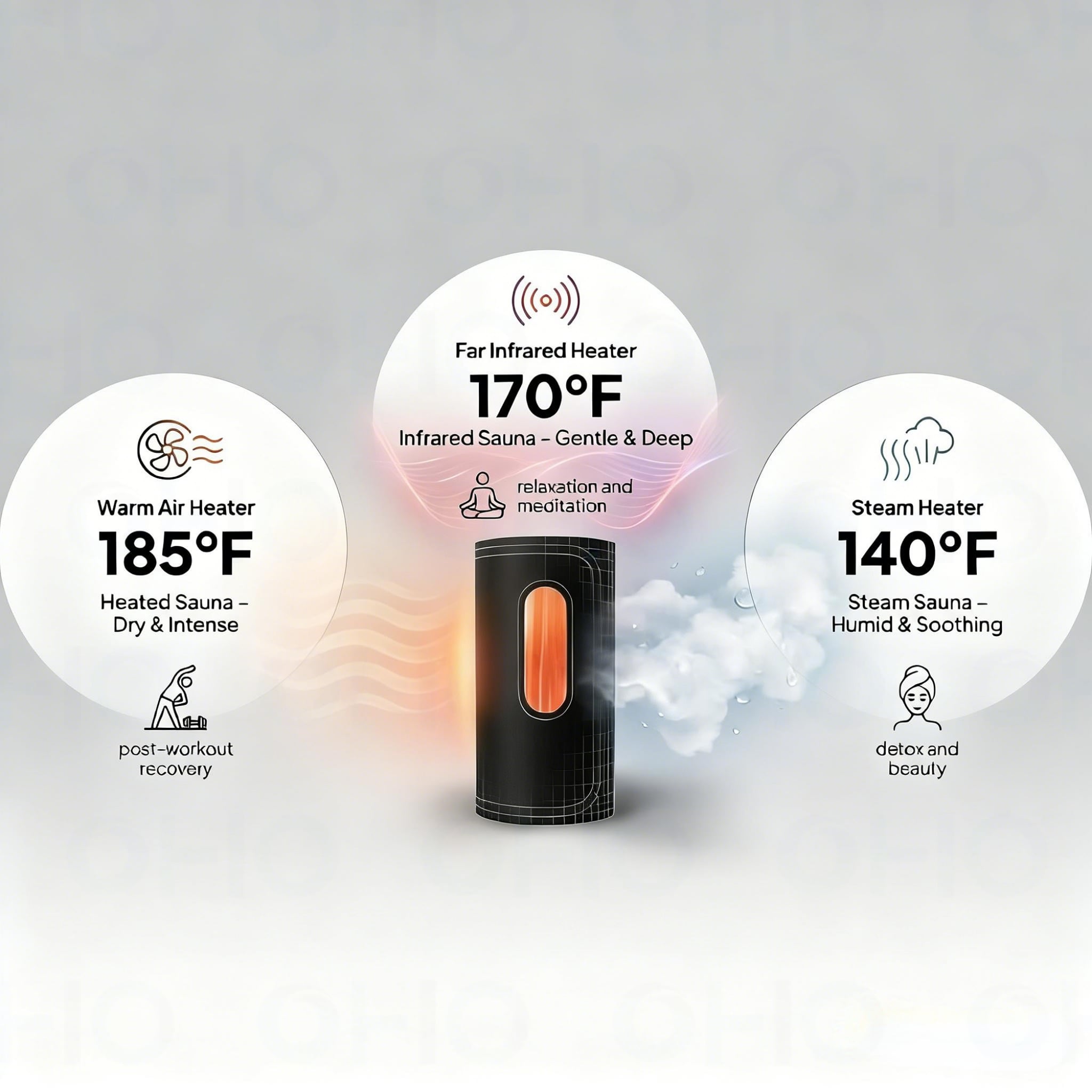
Steam saunas generate heat by boiling water to produce steam, which fills the enclosed space with high humidity.

Unlike dry heat systems, steam saunas rely on latent heat and humidity rather than high air temperature.


2.2 Temperature Range

  • Typical air temperature: 40–60°C
  • Humidity: up to 100% RH

Even though the temperature is relatively moderate, high humidity makes the heat feel intense.


2.3 Experience Characteristics

  • Strong sweating at lower temperatures
  • High humidity environment
  • Gentle on joints and muscles
  • Feels “heavy heat” due to moisture saturation


2.4 Key Use Scenarios

  • Relaxation & spa therapy
  • Skin hydration routines
  • Gentle recovery sessions


3. Infrared Sauna

3.1 Working Principle

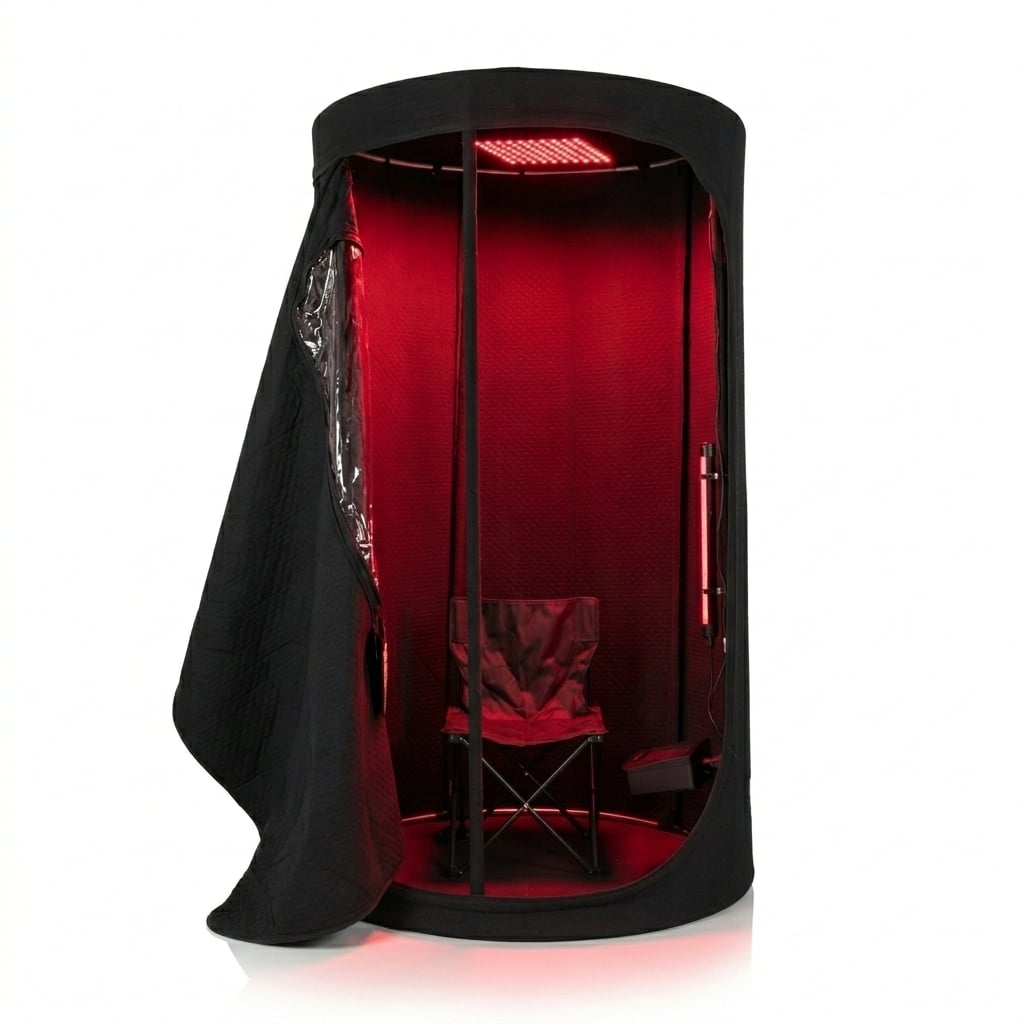
Infrared saunas use infrared radiation panels or wires to heat the human body directly instead of heating the surrounding air.

This results in deeper tissue heating at lower ambient temperatures.


3.2 Temperature Range

  • Typical cabin air temperature: 40–65°C
  • Advanced enclosed systems: up to ~70–75°C (depending on design)

Infrared systems generally operate at lower air temperatures compared to traditional saunas, but body temperature rises effectively due to radiant heat absorption.


3.3 Experience Characteristics

  • Deep penetrating heat sensation
  • Less humidity, dry environment
  • Comfortable breathing conditions
  • Suitable for longer sessions


3.4 Key Use Scenarios

  • Daily wellness routines
  • Low-intensity recovery
  • Home fitness recovery systems


4. Heated (Hot Air) Sauna

4.1 Working Principle

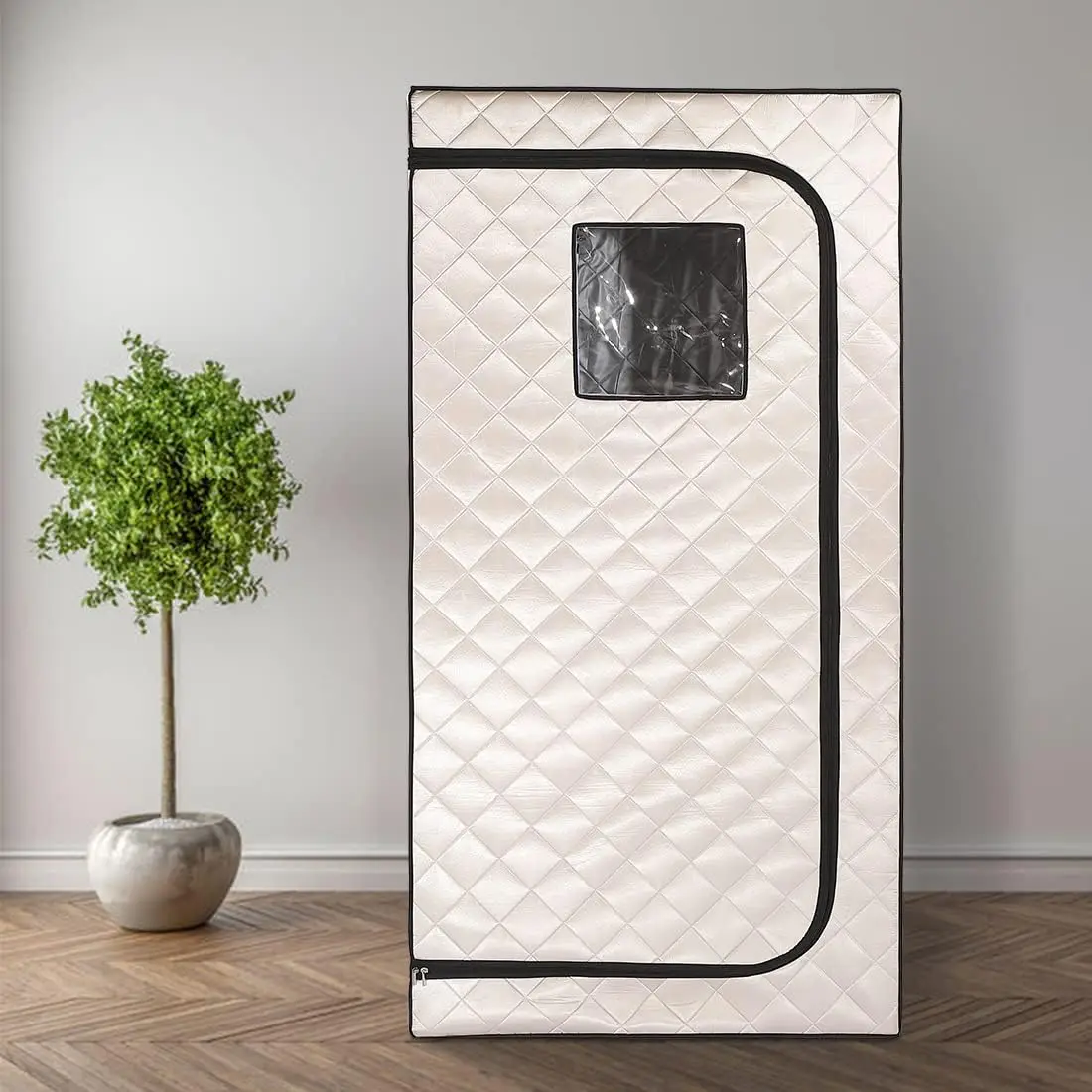
Heated hot air saunas use electric heaters to warm the air inside the cabin, creating a dry heat environment similar to traditional Finnish saunas.

The heat circulates through convection airflow.


4.2 Temperature Range

  • Typical range: 70–85°C
  • Peak range (depending on heater power & insulation): up to ~90°C

This is the hottest of the three mainstream portable sauna types.


4.3 Experience Characteristics

  • Strong dry heat intensity
  • Rapid sweating response
  • High thermal stress environment
  • Closest to traditional sauna experience


4.4 Key Use Scenarios

  • High-intensity heat therapy
  • Athletic conditioning recovery
  • Traditional sauna experience preference


5. Side-by-Side Comparison

Feature

Steam Sauna

Infrared Sauna

Heated Hot Air Sauna

Heating Method

Steam (humidity heat)

Infrared radiation

Hot air convection

Air Temperature

40–60°C

40–65°C (up to ~75°C)

70–85°C (up to ~90°C)

Humidity

Very high

Very low

Low

Heat Sensation

Heavy & moist

Deep & gentle

Strong & intense

Breathing Comfort

Moderate

High

Moderate

Session Duration

Medium

Long

Short–medium


6. Scientific Perspective

Although temperature is an important metric, perceived heat stress depends on multiple factors:

  • Humidity level (affects sweat evaporation)
  • Heat transfer method (radiation vs convection vs steam)
  • Air circulation
  • Enclosure insulation
  • Individual adaptation


Key Insight

A lower-temperature sauna (like infrared) can still create strong physiological effects due to efficient energy transfer.


7. Which Sauna Type Is Right?

  • Choose Steam Sauna → if you prefer humidity and spa-like relaxation
  • Choose Infrared Sauna → if you want gentle daily recovery and comfort
  • Choose Heated Hot Air Sauna → if you want traditional high-heat intensity


8. Conclusion

Steam, infrared, and heated hot air saunas represent three fundamentally different heating philosophies rather than simple temperature variations.

Understanding these differences helps users choose the most suitable sauna experience for their lifestyle and recovery needs.

 

Prev

None

ALL

The Science of Contrast Therapy: Maximizing Recovery with Heat & Cold

Next
Recommended Products
steam sauna vs infrared sauna vs heated hot air sauna a complete scientific comparison-0

Get a Free Quote

Our representative will contact you soon.
Email
Name
Company Name
Mobile
WeChat ID
Files
Message
0/1000