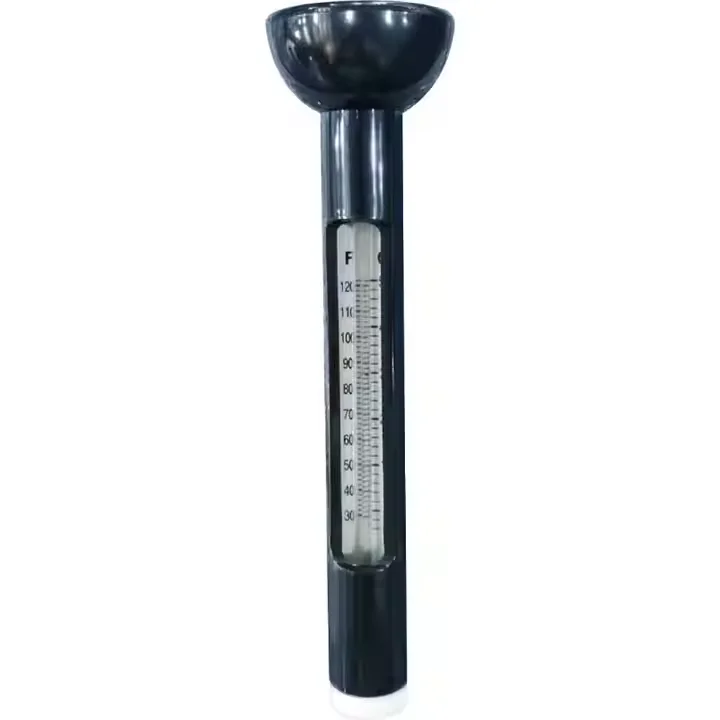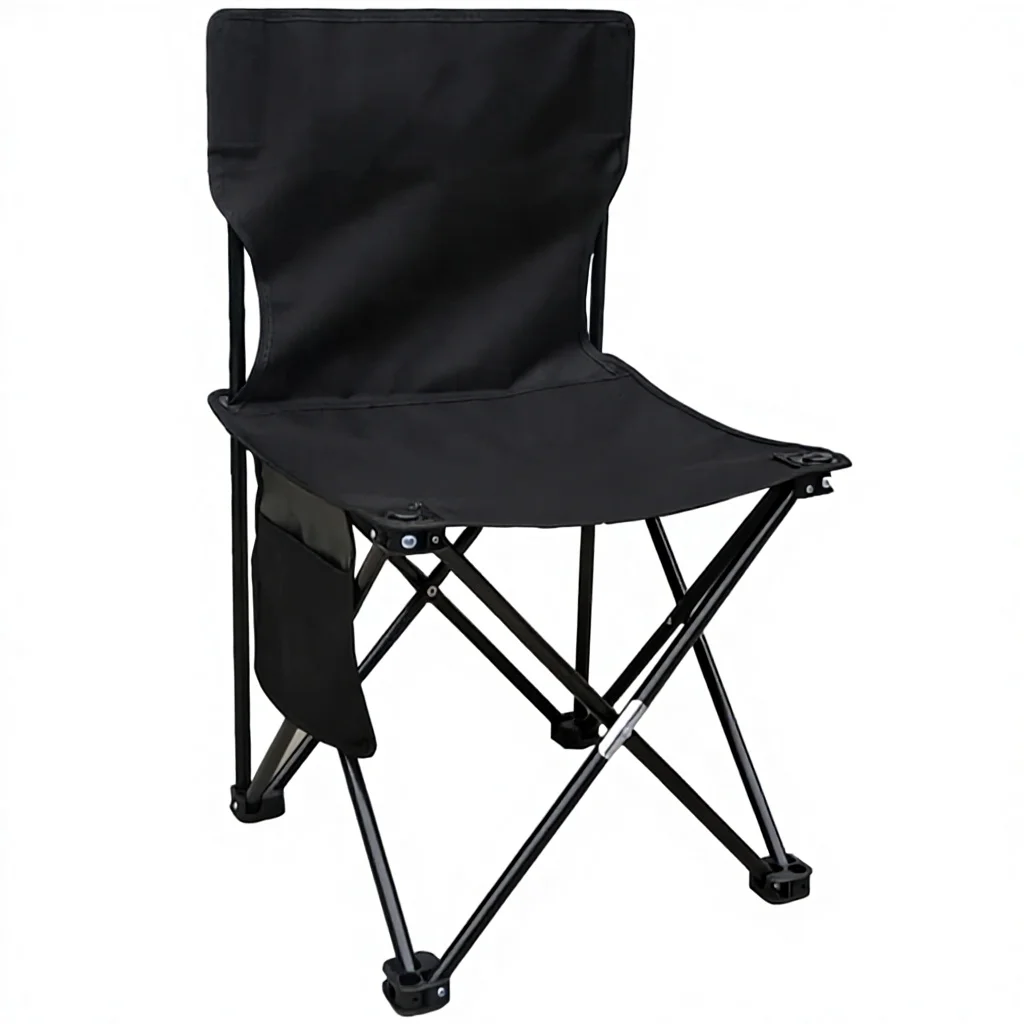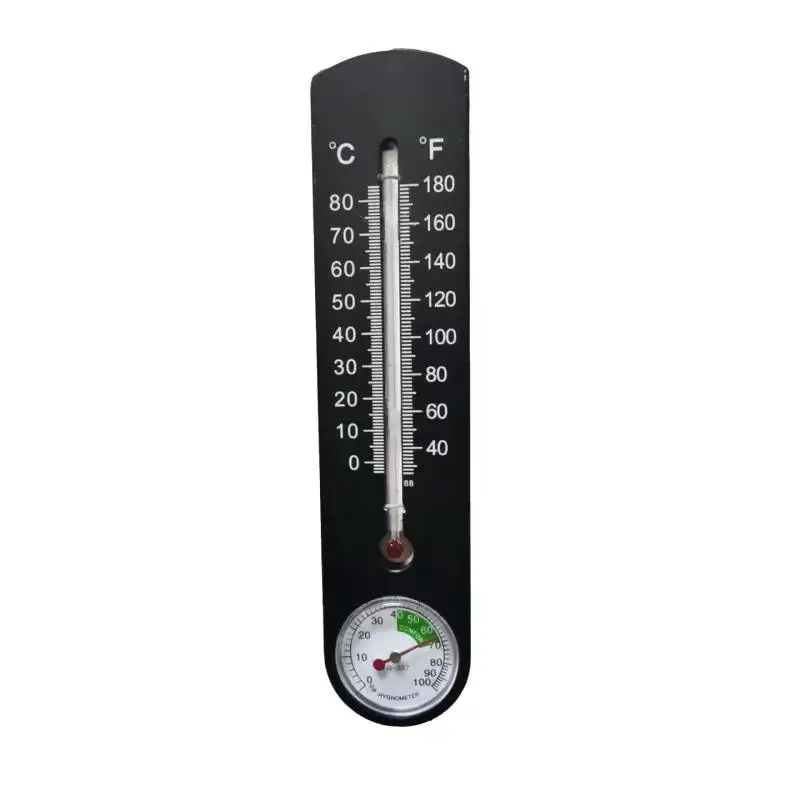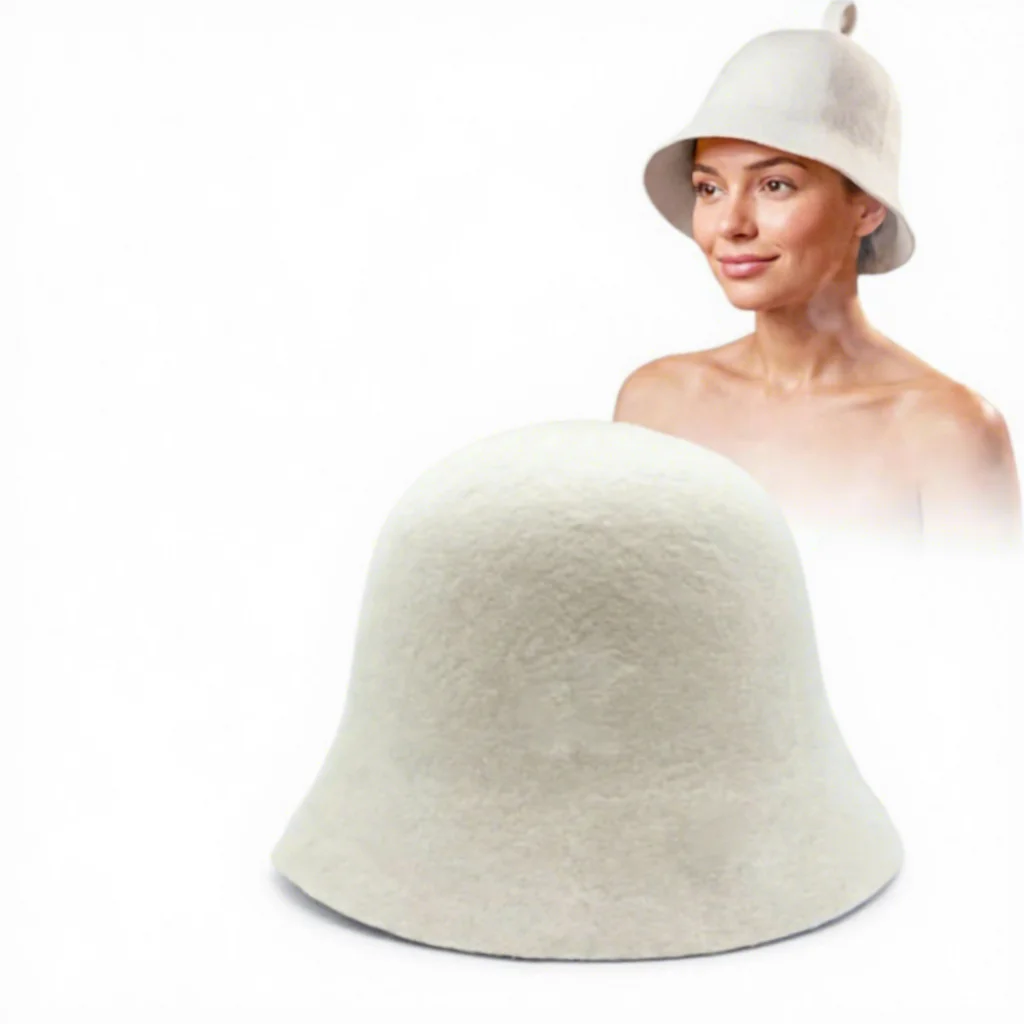
For many years, portable saunas were mainly viewed as a convenient alternative to traditional sauna rooms.
The buying decision was often simple:
How hot can it get?
How quickly does it heat up?
How affordable is it?
But the home wellness market is changing.
Today’s buyers are no longer only looking for a device that produces heat. They are looking for a product that fits into their lifestyle — a wellness space that is comfortable, reliable, easy to use, and designed to be part of everyday routines.
This shift is changing what defines a successful portable sauna product.
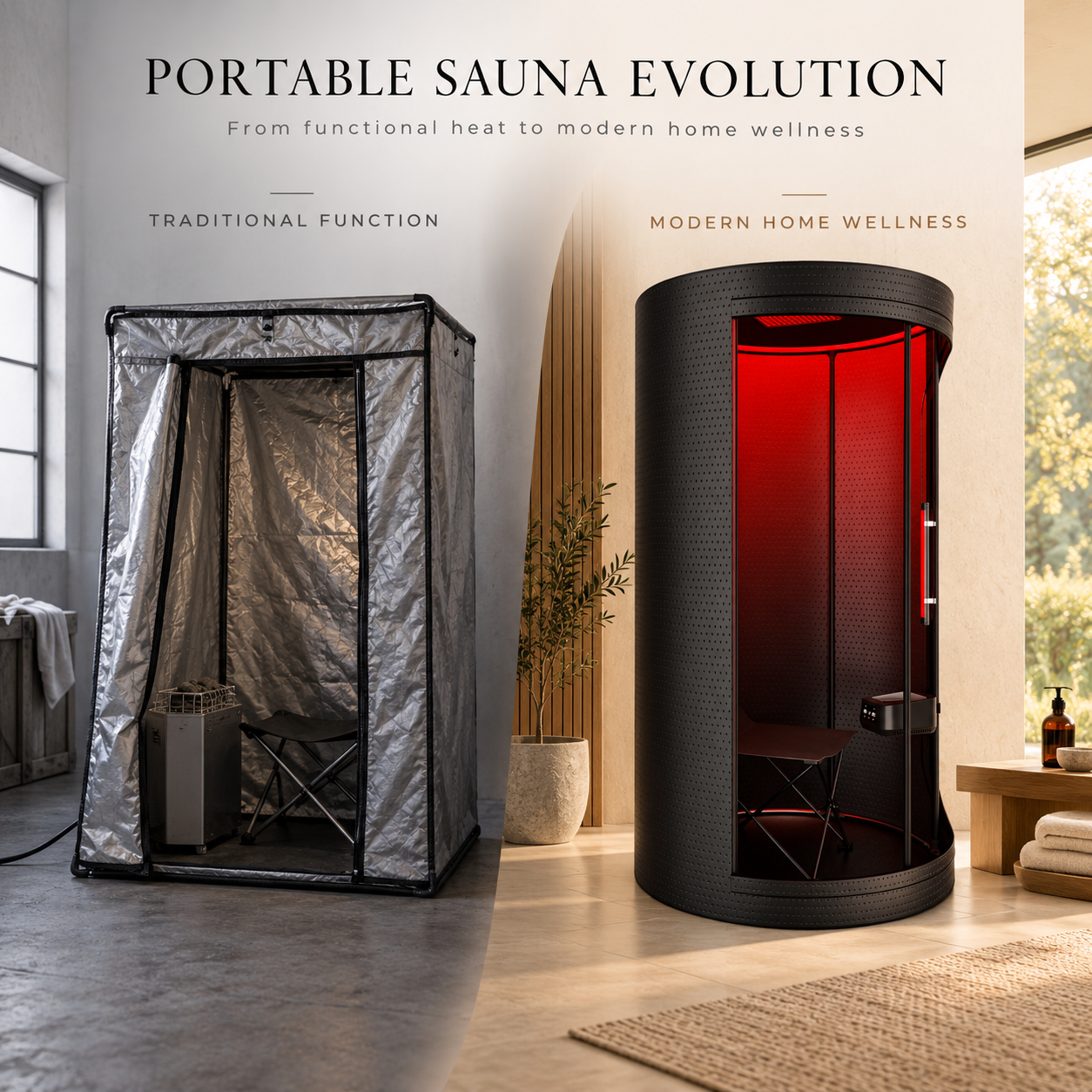
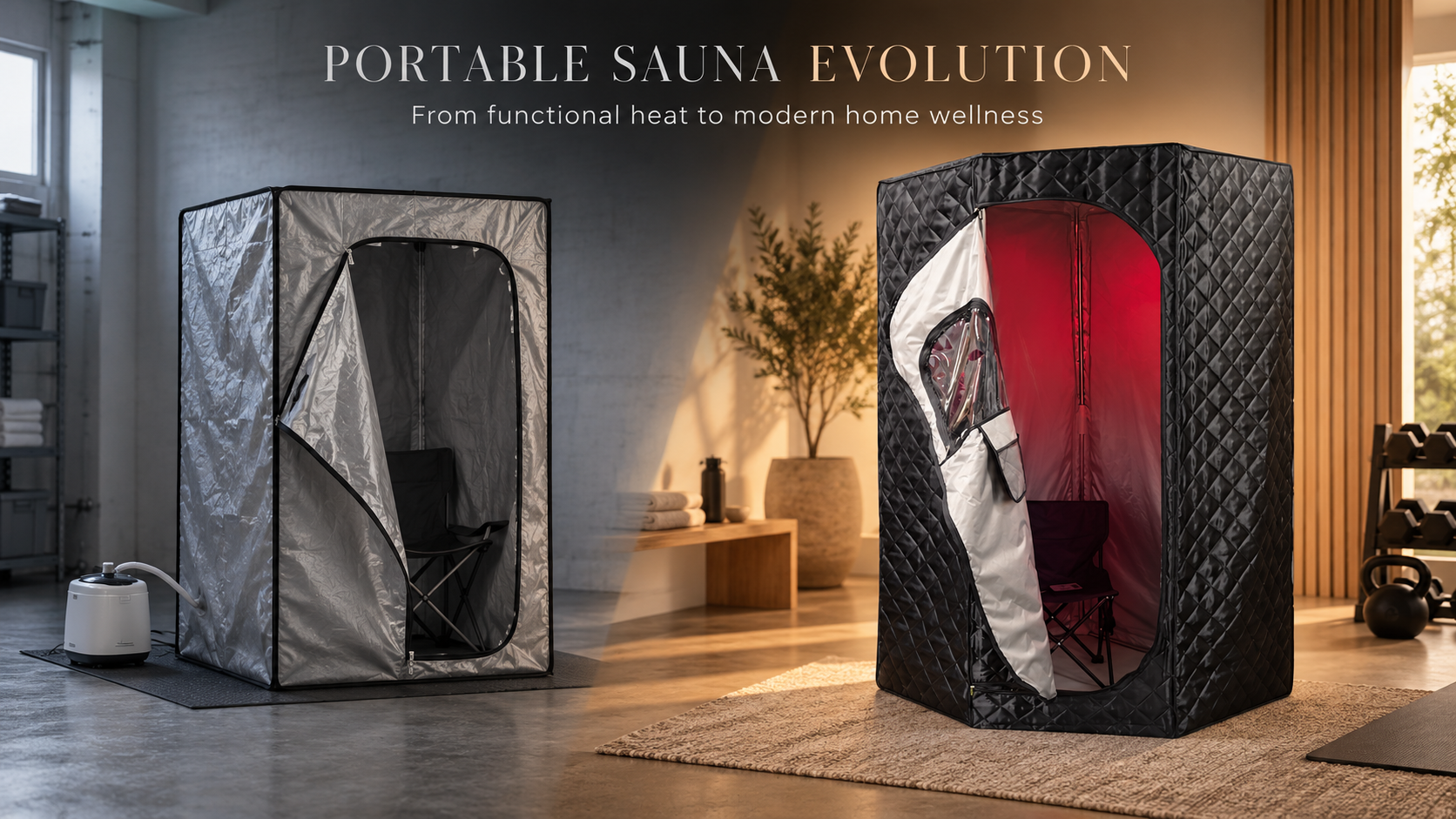
Early portable sauna products focused heavily on basic function.
A compact enclosure.
A heating source.
A controller.
A chair.
The goal was simply to create a personal sauna environment without the cost and space requirements of a traditional sauna.
However, as home wellness becomes more integrated into everyday life, expectations have become higher.
Consumers are beginning to evaluate portable saunas in the same way they evaluate other premium home products:
The product is no longer judged only by what it can do.
It is judged by how it fits into daily life.
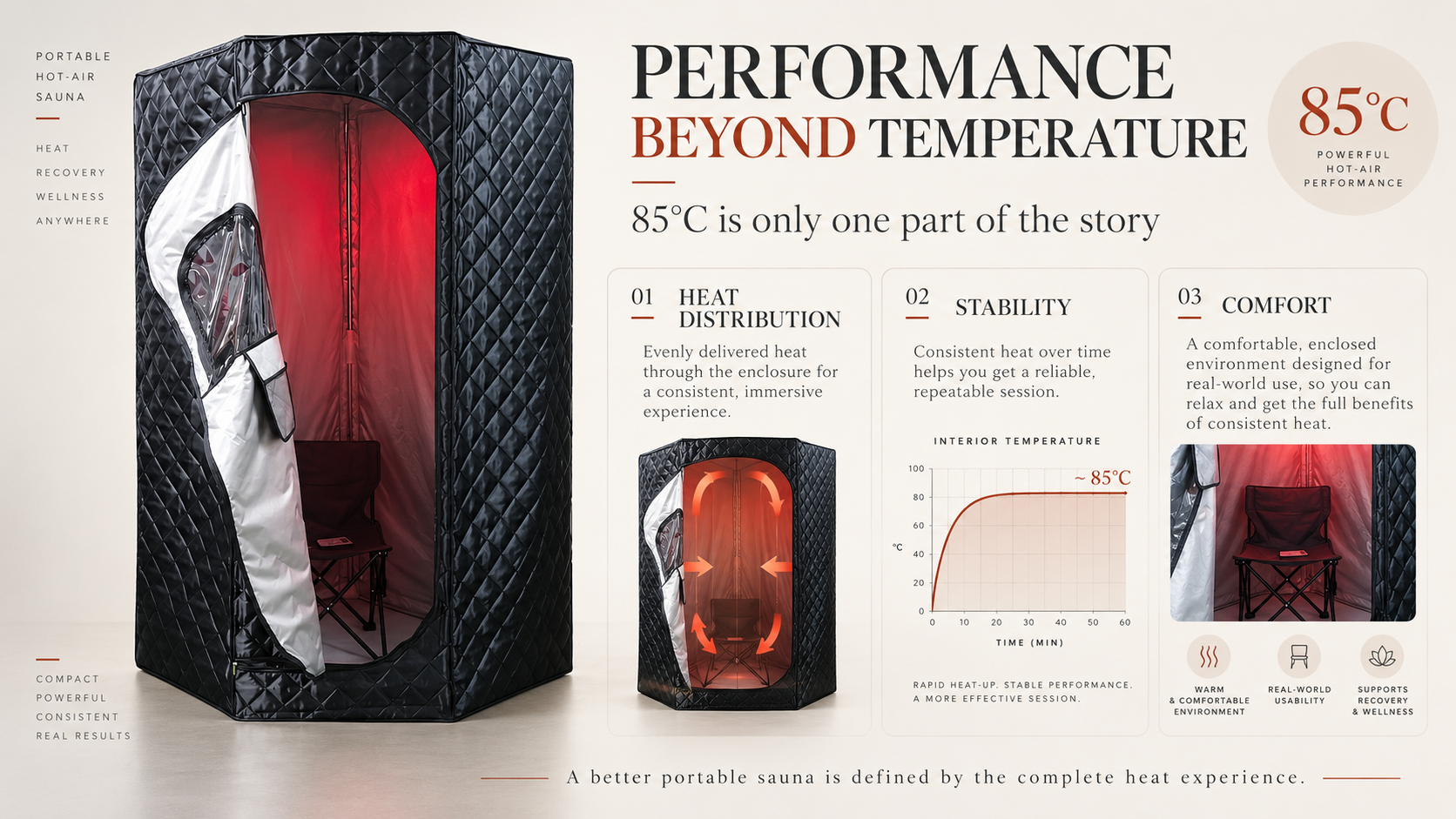
Temperature remains an important specification.
However, maximum temperature alone does not tell the full story.
Two portable saunas may both advertise similar temperature capabilities, while providing very different experiences.
Why?
Because real heat performance depends on multiple factors:
A sauna that reaches a high temperature quickly but struggles with uneven heat or poor comfort may not deliver the experience users expect.
Modern buyers are becoming more interested in questions like:
The future of portable sauna design is moving beyond a single number.
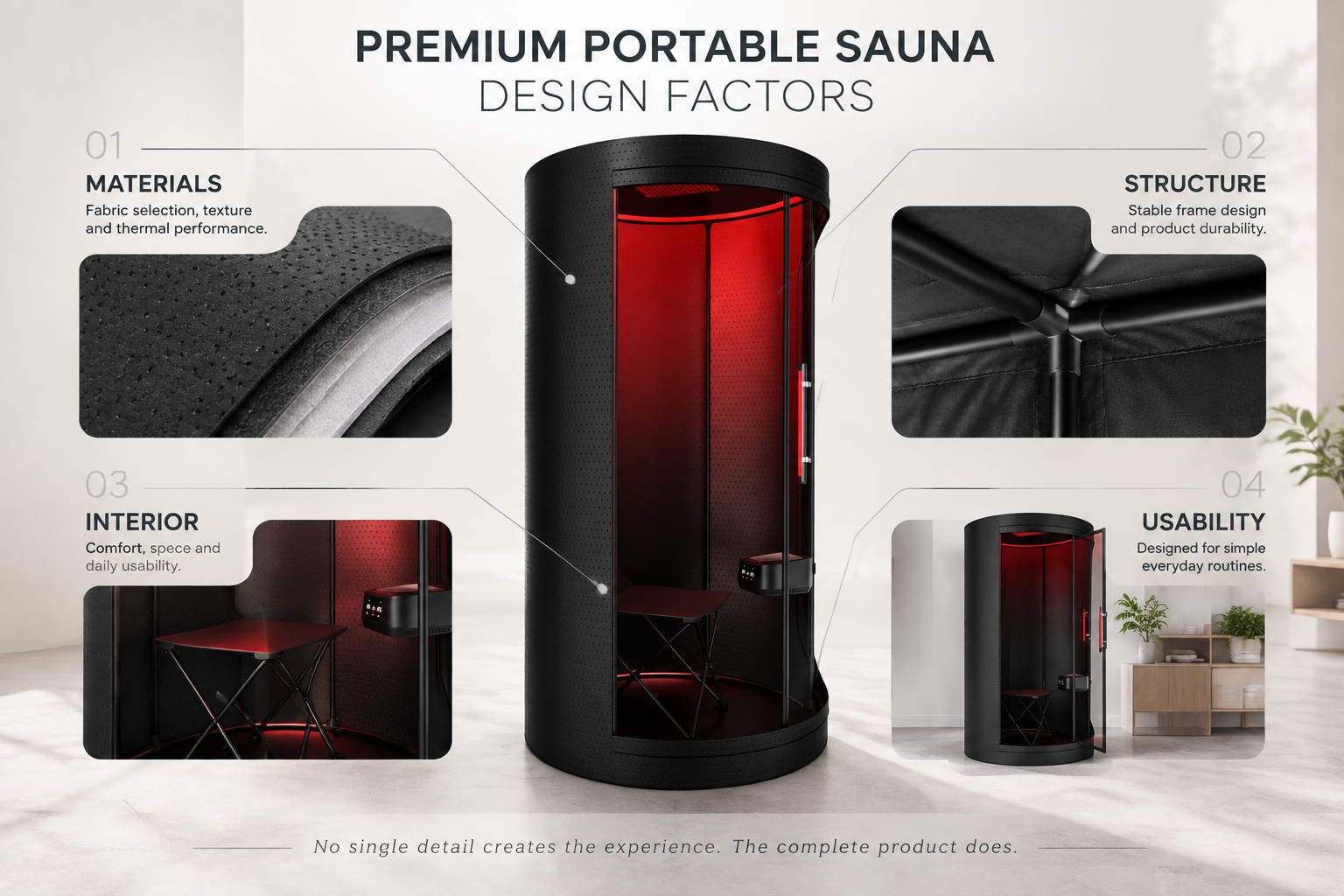
In the past, portable wellness products were often judged mainly by function.
Today, appearance and material choices increasingly influence purchasing decisions.
A portable sauna is not hidden away in a commercial facility.
It may become part of a bedroom, home gym, office, or personal wellness area.
This means users notice details such as:
Materials also influence more than appearance.
They affect:
As consumers become more aware of product quality, material selection is becoming an important part of product differentiation.
A wellness product only creates value when people continue using it.
This sounds simple, but long-term usage depends on many practical details.
For portable saunas, users often consider:
Can it be assembled easily?
Can it fit into a home environment when not in use?
Does the interior space allow a relaxing experience?
Is it easy to clean and maintain?
The best portable wellness products are not only impressive on the first day.
They are products people want to return to repeatedly.
As wellness products enter personal living spaces, consumers are paying closer attention to product safety and transparency.
Questions that are becoming increasingly common include:
This does not mean consumers expect every product to become a technical report.
Instead, they want confidence that the product has been thoughtfully engineered.
Clear information about:
helps build trust between brands and users.
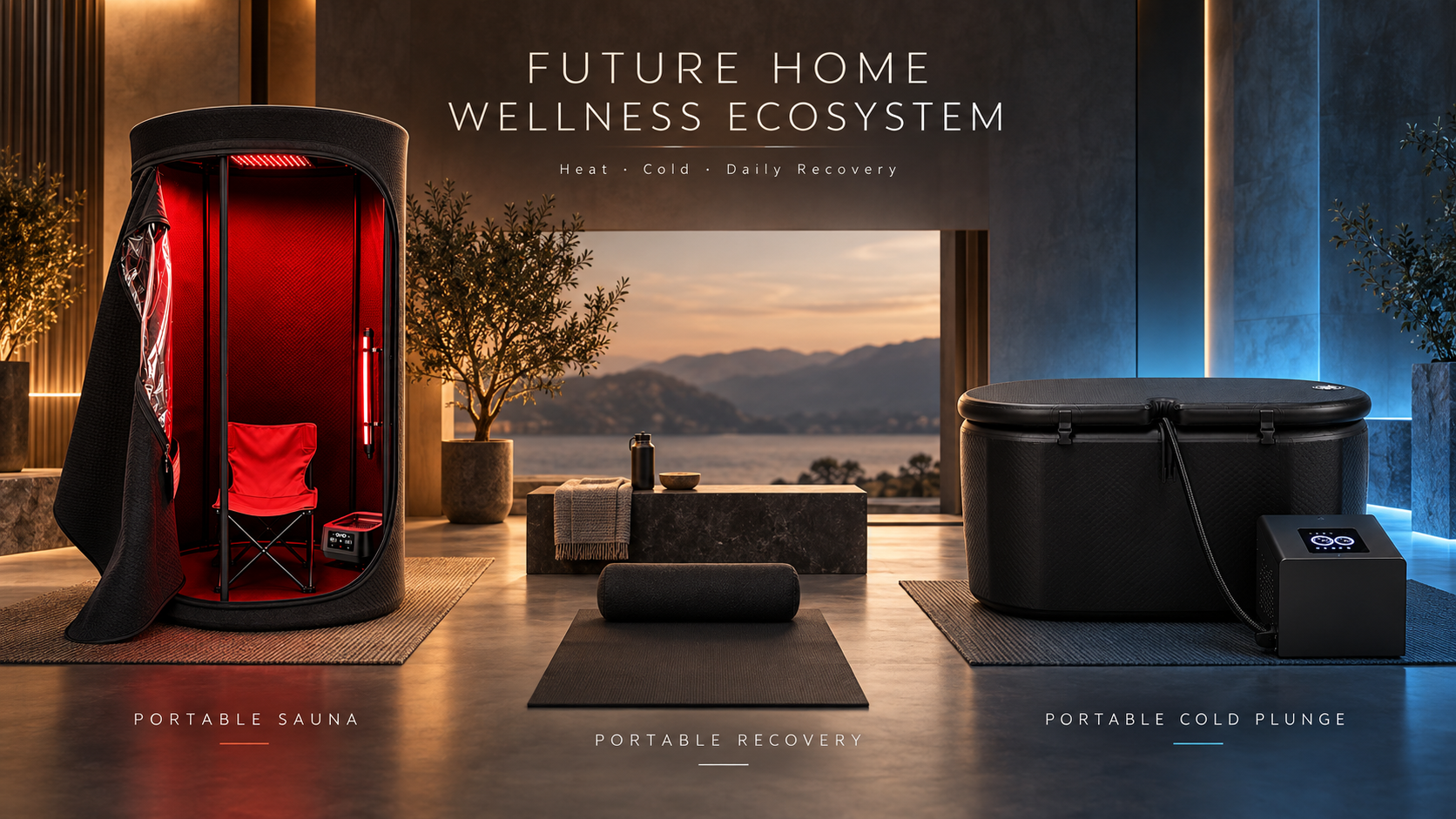
Another important trend is the movement from individual products toward complete wellness systems.
Many users are no longer thinking about one isolated product.
Instead, they are building personal recovery routines:
Heat.
Cold.
Relaxation.
Recovery.
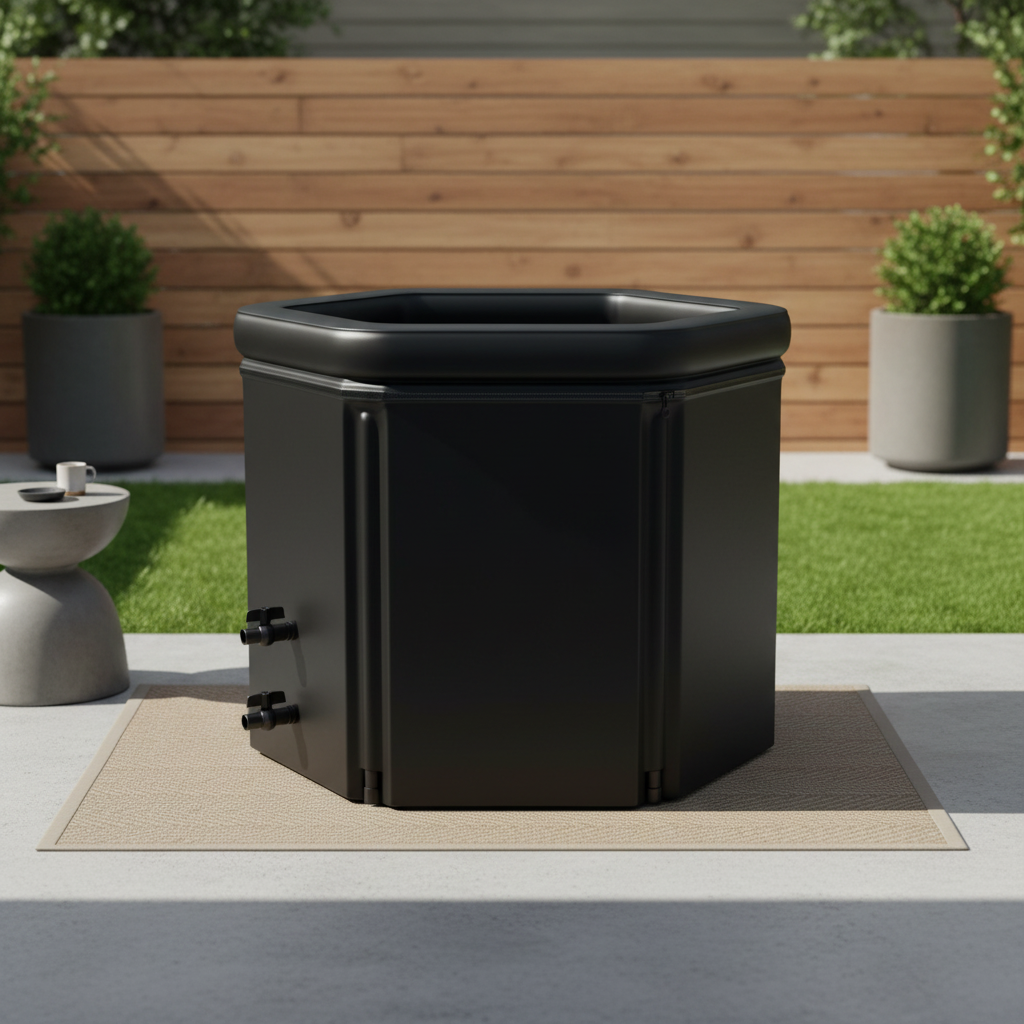
This is why portable sauna, cold plunge, and related recovery products are increasingly being considered together.
The opportunity is not only creating better individual devices.
It is creating products that work naturally within a broader home wellness experience.
The portable sauna market is moving toward a new standard.
Future products will be evaluated by a combination of:
Consistent and comfortable heat experience.
A product that fits naturally into modern homes.
Thoughtful choices that support durability and user confidence.
Simple enough for regular everyday use.
Clear information about how the product is designed and tested.
No single feature creates a premium wellness product.
The complete experience does.
The future of portable saunas is not simply about making smaller heating devices.
It is about creating better personal wellness environments.
As consumer expectations continue to rise, successful products will be those that combine engineering, design, comfort, and trust.
The next generation of portable sauna products will not only answer:
“How hot can it get?”
They will answer a bigger question:
“Can this become part of my everyday wellness routine?”

 EN
EN